In 1960s slang, dig meant to understand, appreciate, or really like something. Learn where it came from, how people used it, and how it still works today.
DINKS means dual income, no kids: a couple where both partners earn and neither has children. Learn the lifestyle, the variants, and the TikTok debate.
Dada has four main meanings: baby talk for father, the Dada art movement, older brother in South Asian English, and, rarely, nonsense. Context and spelling tell you which one is meant.
Cuban slang is the informal, fast, warm Spanish heard in Cuba. Learn the greetings, everyday words, and expressions that do not translate word for word, with examples.
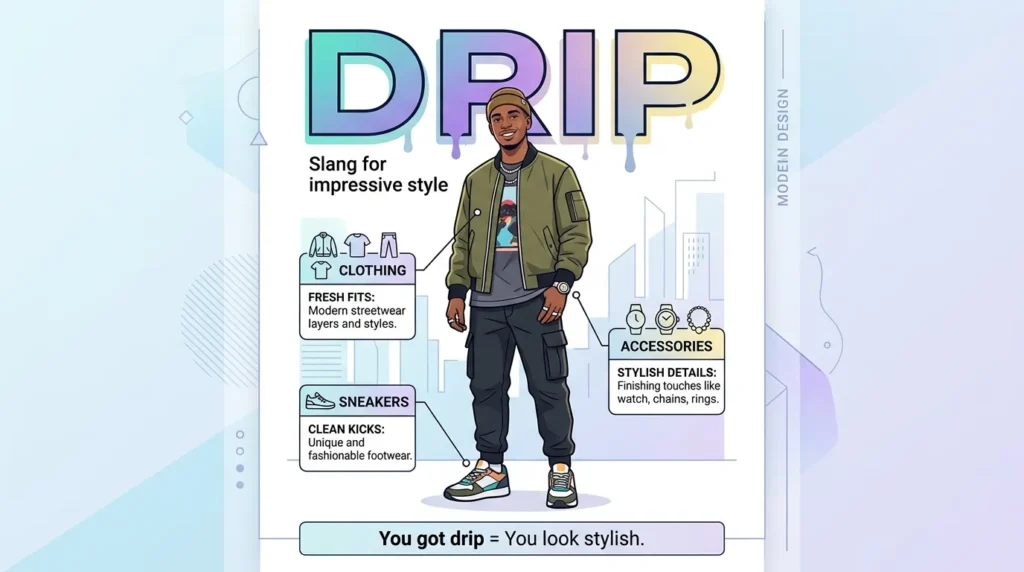
In modern slang, drip means impressive style, especially fashionable clothing, shoes, jewelry, accessories, or an overall well-put-together look. Saying someone “has drip” is usually a compliment meaning they look stylish,…
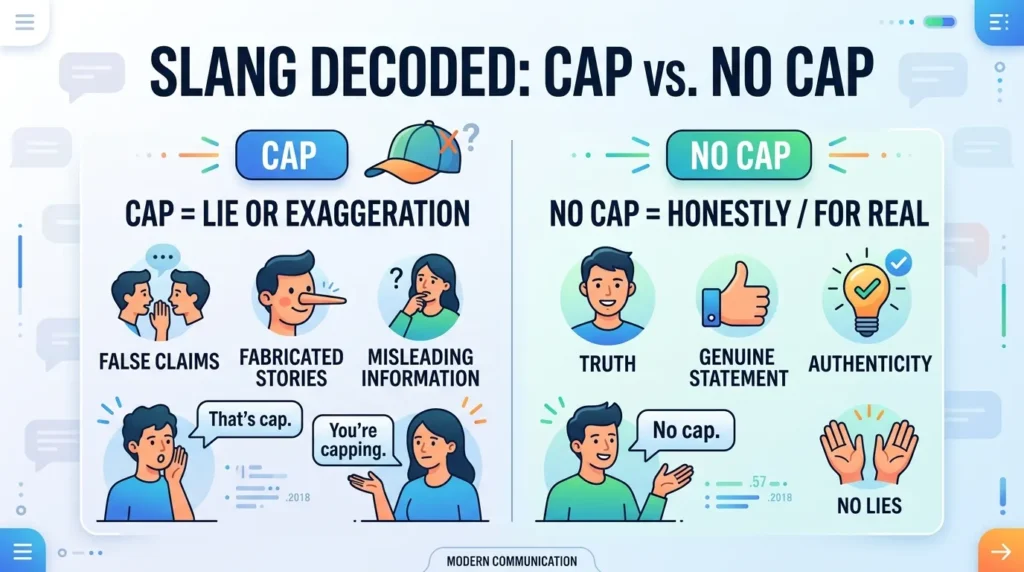
In modern slang, cap usually means a lie, exaggeration, or false claim. If someone says, “That’s cap,” they are saying they do not believe what was said. The verb form…
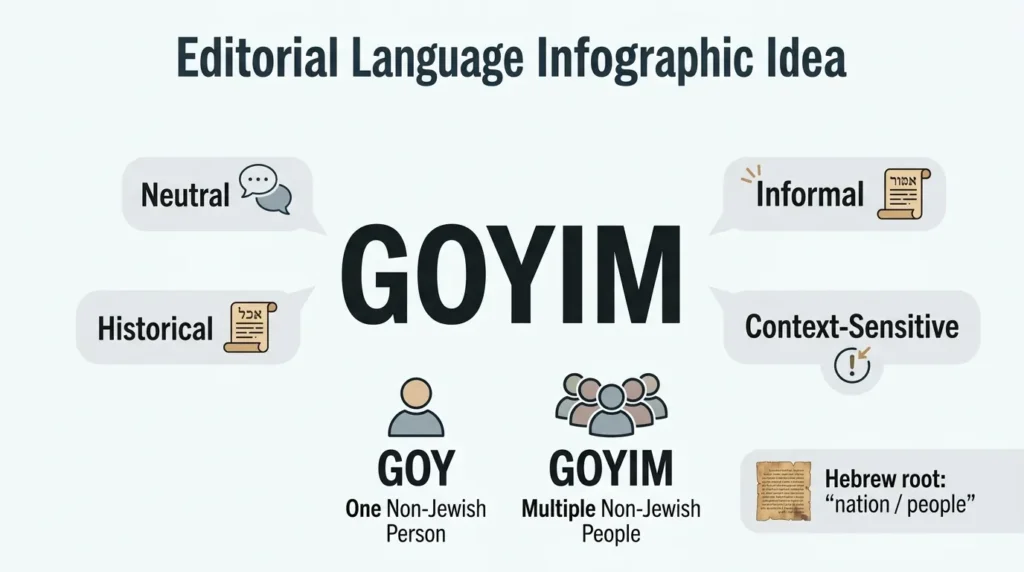
Goyim is the plural of goy and most commonly means non-Jewish people or Gentiles. The word comes from Hebrew and also became part of Yiddish and English usage. Although people…
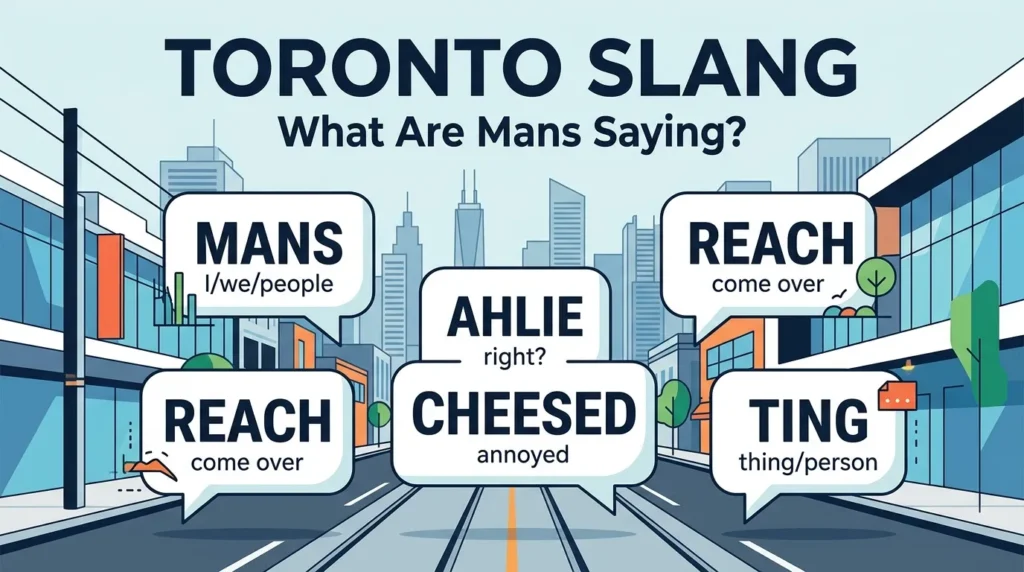
Toronto slang is the informal vocabulary associated with the city’s multicultural speech, especially among younger speakers across Toronto and the Greater Toronto Area. Words such as mans, ting, ahlie, reach,…
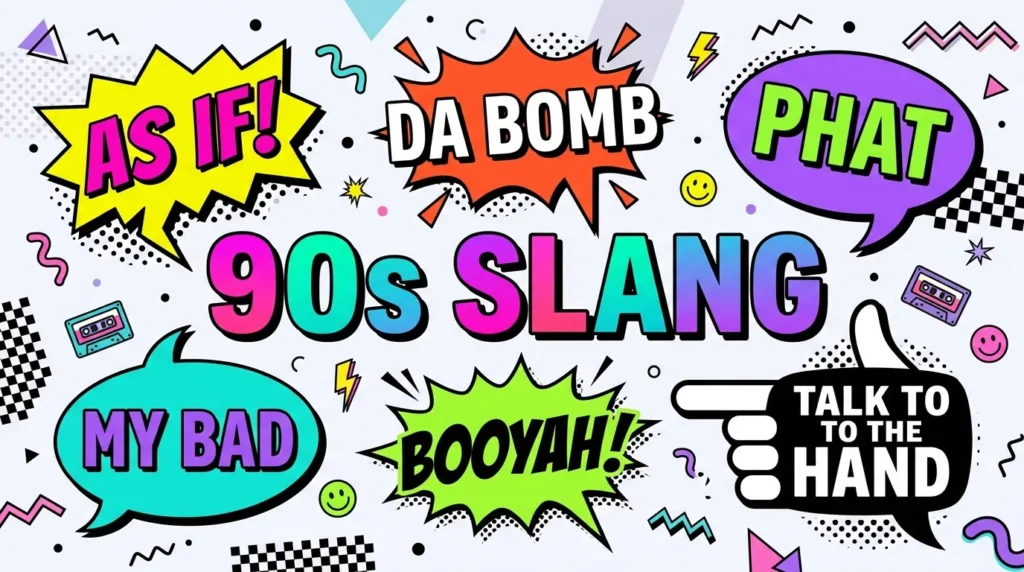
90s slang refers to informal words, catchphrases, and expressions strongly associated with American speech and pop culture during the 1990s. Think as if, da bomb, phat, talk to the hand,…
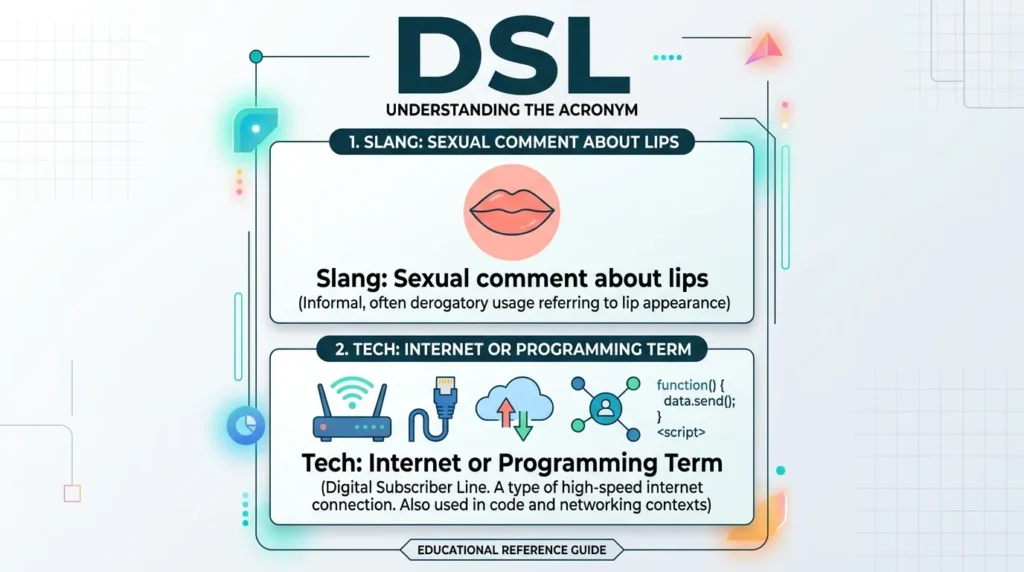
In slang, DSL most commonly stands for “dick-sucking lips.” It is a vulgar, sexually suggestive expression used to describe someone with full or attractive lips. You may see it in…
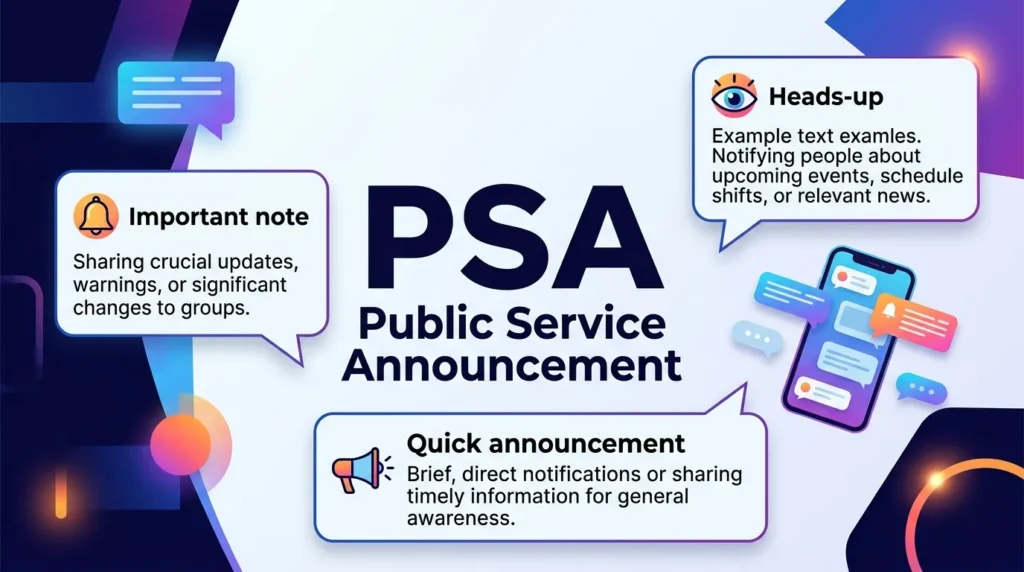
PSA most commonly stands for “Public Service Announcement.” In texting, group chats, and social media, people often use it more casually to introduce something they think others should know. In…
FOMO stands for “fear of missing out.” In slang, texting, and everyday conversation, it describes the uneasy feeling that other people are doing something fun, exciting, valuable, or important without…
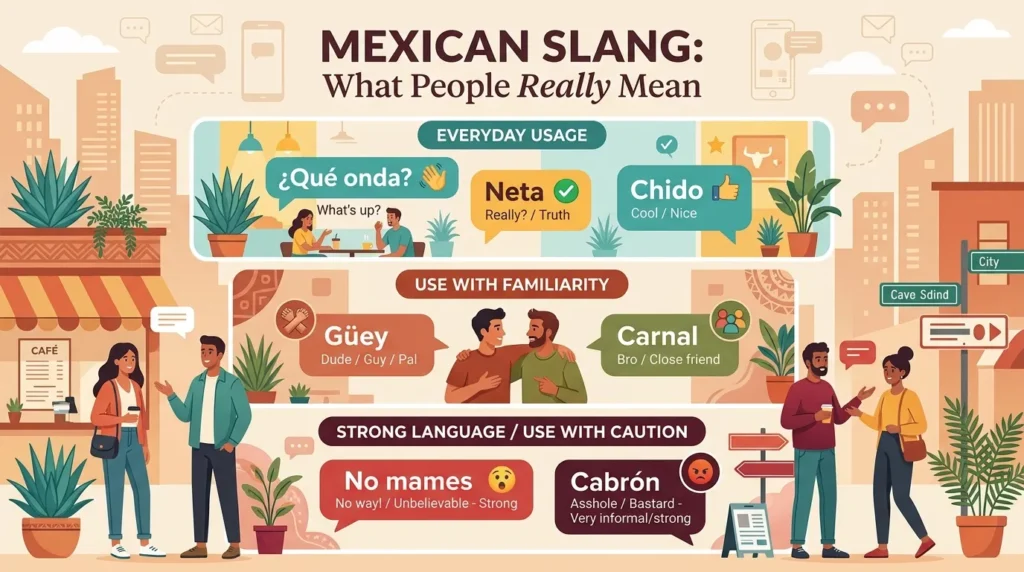
Mexican slang includes informal words and expressions such as güey, qué onda, órale, neta, no manches, chido, and chamba. They appear in casual Mexican Spanish among friends, family, coworkers, online…
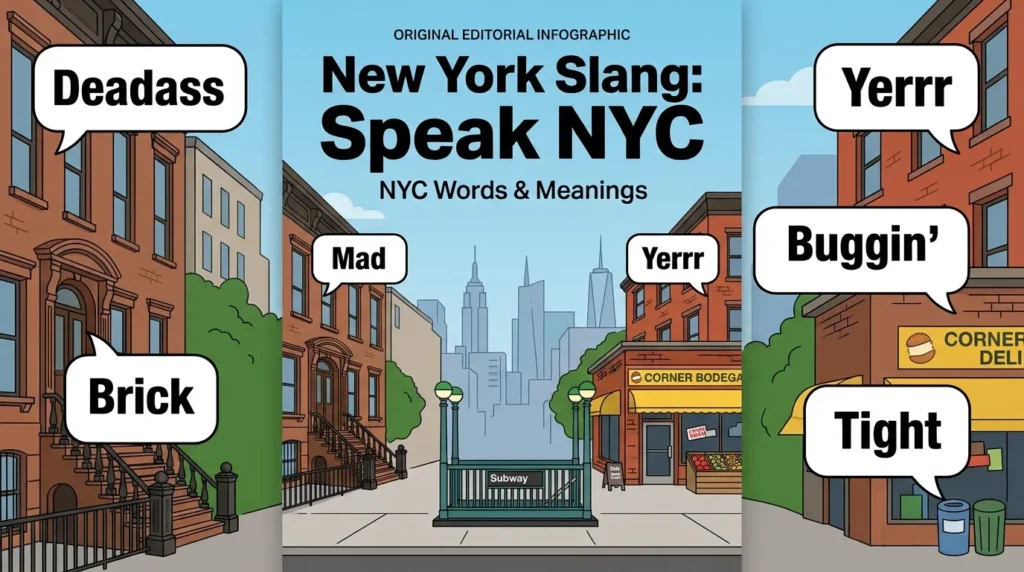
New York slang usually refers to informal words and expressions associated with New York City, especially terms such as deadass, brick, mad, yerrr, tight, and buggin’. Some are strongly associated…