
“4th hole” is a crude internet slang euphemism for the anus, a shock-value joke dressed up as a riddle, used in meme captions, TikTok comments, and edgy online banter. It is not a real anatomical term, it is not polite, and it did not come from golf: it started as a cartoon gag, spent a decade as an Urban Dictionary in-joke, and then exploded again on TikTok because it sounds just innocent enough to slip past content filters. Everything after this paragraph explains where the joke came from, why it spreads, and where you should never say it.
What’s in This Guide
- The Two-Second Answer
- Why It Sounds Harmless (and Why It Isn’t)
- The Joke Actually Started on TV
- TikTok’s Algospeak Machine
- The “4th Hole” vs. the Rest of the Shock-Meme Family
- Same Words, Totally Different Sport
- The Myths Slang Explainer Pages Get Wrong
- When NOT to Say It
- What to Do When It Lands in Your Comments
- Quick Answers
- Sources and Further Reading
The Two-Second Answer
“4th hole” is internet slang for the anus: crude, joking, and meant to provoke. The number is the whole joke: it implies an extra “hole” beyond the ones people normally count, and the humor comes from saying something filthy in words that sound almost innocent. That is it. There is no fourth hole on the human body, no medical meaning, and no innocent history to rescue it. Anyone who tells you otherwise is either misinformed or doing a bit.
I have watched this phrase cycle through three different internet eras now: a cartoon joke, a decade of Urban Dictionary chaos, and a full-blown TikTok resurgence. It keeps coming back because the formula never stops working. Numbers feel neutral, riddles invite guessing, and crude humor dressed as a puzzle travels faster than crude humor said out loud. If you only remember one thing from this guide, let it be this: the phrase is engineered to sound clean so it can be dirty. Every later section is about how that engine works.
Why It Sounds Harmless (and Why It Isn’t)
The genius of “4th hole” is that a teacher could say it in a golf lesson and a teenager could say it in a TikTok comment, and only one of them means something filthy. That dual life is not an accident. As GB Times explains in its breakdown of the trend, the phrase functions as a coded term used to discuss suggestive topics without triggering TikTok’s filters, and it survives because it is “suggestive without being overtly explicit, allowing for deniability” if a video ever gets flagged. The riddle structure does the real work: nobody taught you the answer, so figuring it out feels like joining a club.
This is the same mechanism behind all of TikTok’s coded slang. SocialoApp’s analysis of the platform’s slang culture puts “4th hole” in a family with “unalive” (standing in for death), “seggs” (standing in for sex), and “accountant” (a winking euphemism for sex workers); every one of them was invented because the direct word would get a video removed or shadowbanned. The pattern is simple enough to name: a platform bans the word, the community invents a puzzle that means the word, the puzzle goes viral, and the platform now has to police a riddle instead of a word. “4th hole” may be the purest example of the genre, because the words themselves contain nothing bannable. No filter catches a number.
And that is exactly why the harmlessness is an illusion. A phrase engineered to dodge filters is, by definition, engineered to carry the meaning the filter was built for. WikiWhat’s explainer page notes that critics read the term as reducing human anatomy to a number, and that lands precisely because the numbering is the dehumanizing part: it turns a body part into an inventory item. Whether a given commenter intends that weight or not, the weight travels with the phrase. Saying it in a meme caption does not make you edgy in a vacuum. It makes you a carrier of a joke whose punchline is, and has always been, the crude part.
The Joke Actually Started on TV
Here is the part most explainer pages get wrong. The “4th hole” gag did not start on Urban Dictionary in 2009. It started in a Family Guy episode.
In Season 5’s “Meet the Quagmires” (2007), Glenn Quagmire tells Peter, Cleveland, and Joe that women have a fourth hole. It is, he says, only visible if you are looking from exactly the right angle, like the entrance to Hogwarts. The Family Guy Wiki’s episode reference guide confirms the gag, and then Quagmire points at Meg and delivers the punchline: the fourth hole is “right there in the back of the knee.” It is a nonsense joke in the classic Quagmire register: he plays the world-weary expert, the other guys play the amazed audience, and the joke is that he is describing something that does not exist with total confidence.
That confidence is the whole template. When Urban Dictionary entries started riffing on the phrase around 2009, they copied Quagmire’s structure: state the “fourth hole” as a discovered fact, locate it somewhere absurd, and never break character. Entries across the next fifteen years played the game, some pinning it to anatomy jokes, some to wombs, some to chests, and each new definition tried to out-absurd the last one. The contradictions were the point. Urban Dictionary’s “4th hole” page was never really a dictionary entry. It was a fifteen-year collaborative improv sketch with Quagmire as its patron saint.
The TV origin also explains why the phrase had a second life waiting. When the term surged again on TikTok in late 2023 and 2024, creators were not discovering something new. They were reviving a joke structure that had been perfected in 2007, dressed in the new platform’s clothes: stitches instead of threads, skull emojis instead of upvotes, deadpan “lore” videos instead of text entries. Brainrotwords’ analysis of the TikTok wave dates the renewed surge to late 2023, gaining real traction through 2024, a full decade and a half after Quagmire pointed at Meg’s knee. Some jokes are evergreen. This one is just evergreen in a crude way.
TikTok’s Algospeak Machine
On TikTok, “4th hole” is less a phrase than a piece of machinery. It plugs into the platform’s algospeak system: the constantly mutating vocabulary creators use to say banned things in unbannable words, and it runs on a fuel that SocialoApp’s breakdown names perfectly: confusion is the content. Drop the phrase in a comment without explaining it, and two things happen at once. People who know the joke feel like insiders, and people who don’t know it start asking questions in the comments. Both reactions count as engagement. Both feed the algorithm. Your curiosity is the product.
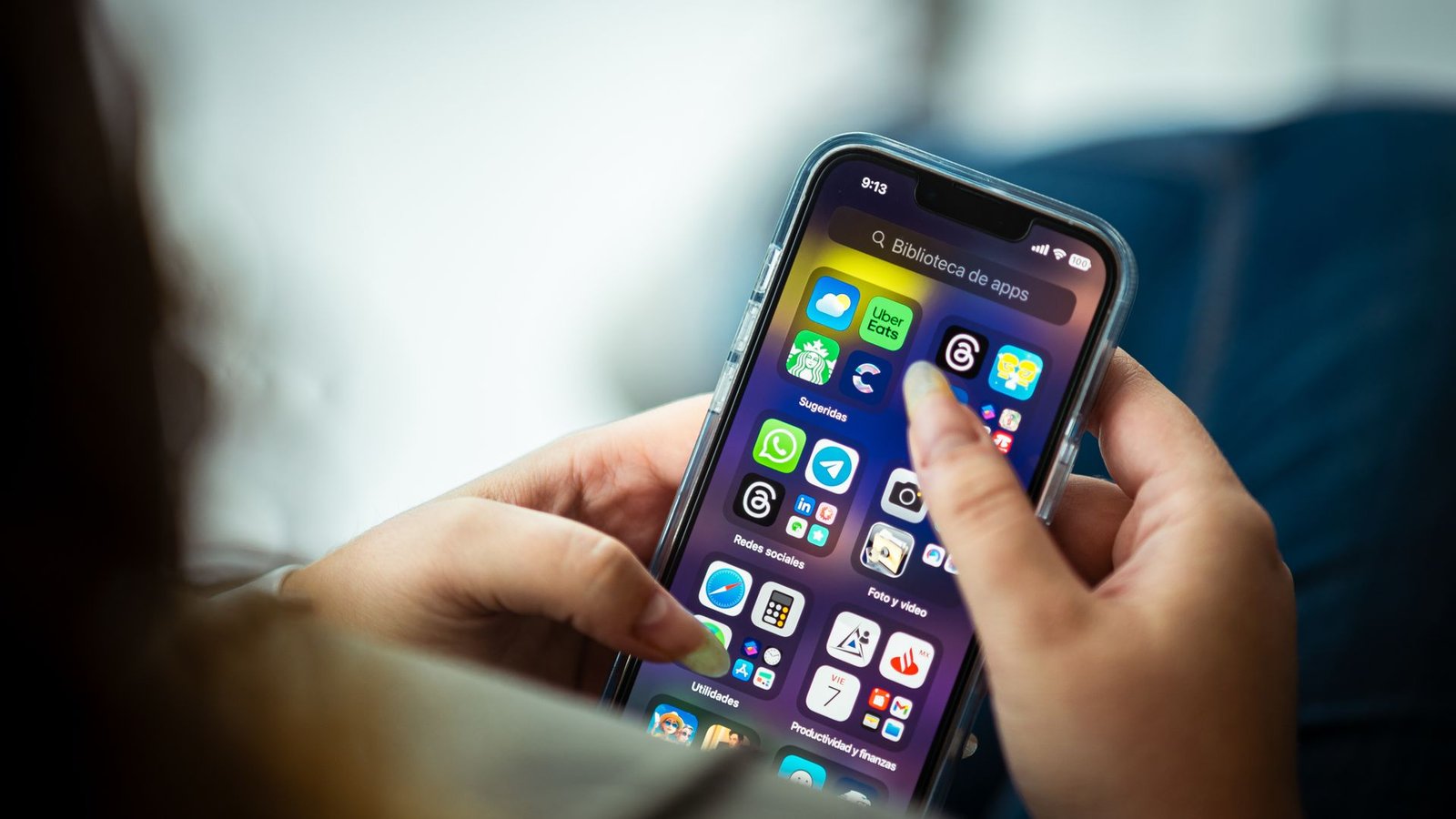
The duet and stitch features supercharged the loop. One creator’s deadpan “educational” video about the fourth hole would get stitched by a dozen reactors, each adding a layer: shock, fake explanation, deliberate misinformation, meta-commentary about how silly the whole trend is. SocialoApp traces this exact lifecycle: vague phrase, viral confusion, engagement spike, explanation videos that create more confusion, mainstream recognition, and eventual death by overuse. By the time a phrase is widely searched, it is usually already past its peak on the platform. If you are reading this guide because you had to Google the term, you are arriving at the tail end of the wave. The confusion you felt was the machine working as designed.
There is also a darker gear in this machine, and it deserves a plain paragraph. Brainrotwords’ reporting on the TikTok wave documents how the phrase got absorbed into “sigma male” and “alpha bro” content, where it functions less as a joke and more as a way to talk about women as collections of parts. Their piece flags the real-world cost: young users, some barely in their teens, picking the phrase up from meme pages without understanding what it implies, and carrying it into school hallways and group chats. GB Times’ guide adds the practical warning that TikTok’s enforcement is a cat-and-mouse game: automated keyword detection plus image recognition plus human review, with creators constantly rephrasing to stay ahead. The riddle is not just humor. It is evasion. And evasion has a body count in the form of kids who learned a dehumanizing joke before they learned what it meant.
None of this means the phrase only travels in one lane. In the same comment sections you will find the pure absurdist version: creators claiming with faux seriousness that the fourth hole is the belly button, or the ear canal, or some invented anatomical secret, delivered deadpan like a nature documentary. That version is family-friendly chaos, and it is funny precisely because it plays against the crude meaning. The coexistence of the two versions, the innocent one and the filthy one sharing one phrase, is what makes the term so shareable. Everyone gets to choose which joke they are telling. Only one of them is clean.
The “4th Hole” vs. the Rest of the Shock-Meme Family
“4th hole” does not travel alone. It belongs to a whole genre of slang built on the same formula: take something ordinary, give it a crude second meaning, and let the gap between the two do the comedic work. The table below compares it with four neighbors that live in the same corners of the internet, all of them covered elsewhere on this site.
| Term | What it really means | Tone | Where it thrives | The formula at work |
|---|---|---|---|---|
| 4th hole | Crude euphemism for the anus, dressed as a numerical riddle | Shock humor with plausible deniability | TikTok comments, meme captions, Urban Dictionary lore | An innocent phrase (golf, counting) repurposed as an anatomy joke |
| Truffle butter | Crude euphemism rooted in a Nicki Minaj lyric, spread through memes | Raunchy punchline | Song lyrics, meme pages, group chats | A gourmet food term drafted into dirty-joke duty |
| Blue waffles | Shock-image slang with a famously gross Urban Dictionary history | Pure shock, almost no plausible deniability | Forums, dare culture, “do not Google this” threads | A breakfast food turned into a dare |
| Eiffel Tower | Slang for a sexual act, named for the shape it resembles | Locker-room crude | Group chats, adult humor, meme captions | An innocent landmark drafted into risqué slang, the exact same mechanism as the golf confusion |
| DSL | Adult-leaning acronym slang for a body part | Cheeky, euphemistic | Early-2000s forums, texting, hip-hop lyrics | An acronym that means one thing at work and another at the bar |
What unites all five is the deniability gradient. Blue waffles has almost none: saying it marks you instantly. DSL and truffle butter sit in the middle: context decides everything. “4th hole” sits at the far end, with maximum deniability, which is why it survives moderation that kills its cousins. And if you want to understand how body-slang mixes humor with crudeness, FUPA covers that blend from a different angle. The genre is bigger than any one term, and “4th hole” is simply its most algorithm-friendly member.
Same Words, Totally Different Sport
On a golf course, the “4th hole” is the fourth hole you play. That is the entire meaning, and golfers have been saying it innocently for centuries. Some slang explainer sites have claimed the crude term “originated from golf slang,” as if the internet discovered the phrase on a scorecard and corrupted it. There is no evidence for that pipeline. The crude meaning was invented by people making an anatomy joke that happens to use the same words: a coincidence, not a lineage. WikiWhat’s page on the term gets this right: the exact origins are impossible to pin down, but the slang emerged from online communities playing with coded language, not from the fairway.

The coincidence is useful, though, and meme culture has mined it hard. Golf content creators lean into the double meaning with clips and captions that read innocent for the algorithm and crude for the comments, a “tough 4th hole today” lands as a scorecard complaint for your uncle and a locker-room joke for your group chat. It is the only “safe” in-person deployment of the phrase, and even that depends entirely on the audience being able to pretend they only heard the golf version. The moment someone laughs a little too hard, the deniability evaporates. Know your room.
If you ever find yourself genuinely unsure which meaning is intended, the setting decides. Golf course, scorecard app, clubhouse small talk: it is golf. Meme comment section, edgy group chat, adult-content tag: it is the joke. When in doubt, read the room before you laugh: laughing at the wrong one tells everyone exactly which internet you have been browsing.
The Myths Slang Explainer Pages Get Wrong
Slang this viral attracts bad explainers like a porch light attracts moths. Here are the two most common false claims circulating right now, and why neither survives contact with actual usage.
Myth: It is a compliment about how attractive someone is
At least one viral explainer article claims “4th hole” is “a playful way of rating someone’s physical appearance”, as in, “she’s the 4th hole of the group.” That meaning appears nowhere in actual usage: not in fifteen years of Urban Dictionary entries, not in TikTok comments, not in memes, not in the Family Guy episode that started it all. The article even dresses the fiction up with invented survey statistics, which is the tell. This reads like AI-generated filler that confused a crude anatomy joke with a ranking meme. Repeat it and you will confuse people, or worse, you will accidentally say something crude while believing you paid someone a compliment.
Myth: It describes feeling stuck in life
Another wave of low-quality pages claims “4th hole” is a metaphor for stagnation: being trapped in a difficult phase, lacking direction, “the hole” as a symbol of struggle. That is a real metaphor people use, but it has nothing to do with this phrase. Nobody on TikTok, Reddit, or Urban Dictionary uses “4th hole” to talk about their career slump. The metaphor pages read like someone fed the words “fourth” and “hole” into a generator and asked for something wholesome. Treat any page selling you this meaning as evidence you should close the tab.
Myth: It is just harmless fun
This one is subtler, because it can be true in narrow cases and false everywhere else. Among friends who share the humor and have all opted in, it can land as a joke. But the phrase is sexually crude, and Brainrotwords’ reporting documents how it has been used to dehumanize and objectify, particularly aimed at women, and particularly absorbed by young users who repeat it without grasping the weight. Shock humor only works when everyone in the room consented to be shocked. A meme page with a million followers is not a room. It is a broadcast.
When NOT to Say It
Some slang belongs everywhere. This is not that slang. A quick map of where “4th hole” lands:
Say it never: at work, at school, around family, in professional messages, on a first date, in any conversation with a stranger, or directed at someone who has not opted into crude humor. It is sexually crude language, and using it in these settings can offend people, get you disciplined, or make you look far worse than you intended. GB Times’ guide is blunt on the practical side: repeated suggestive use can get videos removed or accounts suspended, and a first-time “it was just a joke” defense rarely survives a second offense.
Say it maybe: in private jokes with close friends who share the humor, in meme captions on accounts that are already edgy, as a golf pun where the deniability is the whole point. Even here, check yourself: if the joke only works because someone in the audience is the butt of it, it is not a joke. It is a jab.
A special note for parents and teachers: if you hear a teenager use this phrase, the Brainrotwords reporting suggests they may genuinely not know what it means. Many picked it up from meme pages as a funny sound, not a crude reference. A calm explanation beats a punishment. The phrase loses most of its power the moment someone explains it plainly, which is exactly why this guide exists.
What to Do When It Lands in Your Comments
Sooner or later, if you post online, someone will drop “4th hole” under your video or in your group chat. Your move depends on the room:
If it is friends joking around: laugh, groan, or fire back with your own absurd “theory”: the mock-serious lore is the standard move (“actually it is behind the right kneecap, Quagmire discovered it”). Playing along with the mythology is how the in-group works.
If you do not get it: “I am going to choose not to know what that means” is a perfectly dignified response, and honestly the funniest one available to an outsider. Refusing the lore is its own power move.
If it makes you uncomfortable: say so plainly. “Not funny to me, let us drop it” ends the bit faster than any lecture. Most people using shock humor back off once they know the audience is not enjoying it.
If it is directed at you or someone else as an insult: that is not a joke anymore. Screenshot it, block or report as the platform allows, and do not engage further. A crude joke aimed at a person stops being a meme and starts being harassment.
Quick Answers
What does “4th hole” mean in slang?
It is a crude slang euphemism for the anus. The humor comes from the numerical riddle: it implies an extra “hole” beyond the ones people count. It is used mostly as a joke, a shock-value meme caption, or edgy online banter: vulgar, informal, and entirely context-dependent. It is not a real anatomical term.
Is “4th hole” offensive?
It can be. The term is sexually crude, and many people find it vulgar or objectifying, especially when directed at them or used in mixed company. Among friends who share the humor it may land as a joke. At work, at school, or aimed at a stranger, it reads as inappropriate, and reporting on the TikTok wave documents real cases of it being used to demean.
Where did the “4th hole” joke come from?
A 2007 Family Guy episode, then a decade of Urban Dictionary improv. In Season 5’s “Meet the Quagmires,” Glenn Quagmire claims women have a fourth hole visible only “from exactly the right angle,” then points at Meg and says it is “right there in the back of the knee.” Urban Dictionary entries riffed on that structure for fifteen years before TikTok revived the joke in 2023 and 2024.
Why is “4th hole” all over TikTok?
Because it is built to beat the algorithm. The words contain nothing bannable, so they slip past content filters while carrying a crude meaning: the core trick of TikTok algospeak, alongside “unalive” and “seggs.” On top of that, the deliberate vagueness drives engagement: confused viewers ask what it means in the comments, and every question feeds the video to more people.
Is the “4th hole” a real anatomical thing?
No. There is no fourth hole on the human body in any medical or anatomical sense. Claims otherwise, including the Family Guy punchline about the back of the knee, are jokes. Any explainer page telling you it is a real body part, an attractiveness rating, or a metaphor for feeling stuck is inventing a meaning that actual usage does not support.
Can I say “4th hole” at school or work?
No. It is sexually crude slang, and using it in professional or educational settings can offend people and get you in real trouble. Keep it out of those rooms entirely. If you use it at all, restrict it to private jokes among friends who are in on the humor, and even then, know that the joke’s weight travels with it.
Sources and Further Reading
- Brainrotwords on the TikTok wave: the late-2023 surge, the objectification angle, teens repeating the phrase, and moderation evasion
- SocialoApp’s TikTok slang analysis: algospeak patterns (“unalive,” “seggs,” “accountant”) and the confusion-driven engagement cycle
- GB Times’ explainer: the phrase as a filter-evading euphemism, the “backdoor” synonym, and TikTok’s detection methods
- WikiWhat’s 4th Hole page: the numerical-sequence euphemism, usage contexts, and the objectifying-reduction criticism
- The Family Guy Wiki’s “Meet the Quagmires” reference guide: the Season 5 origin of the fourth-hole gag and the Hogwarts platform comparison
- Wikiquote’s Family Guy Season 5 transcript page: Quagmire’s dialogue, including the “right there in the back of the knee” punchline