
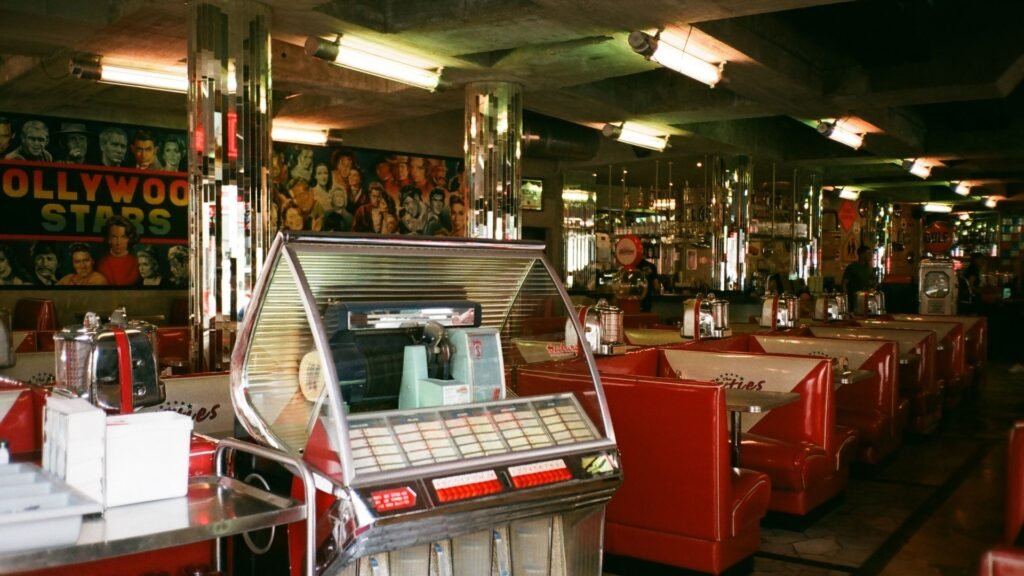

50s slang is the playful, rebellious vocabulary spoken by American teenagers and young adults during the 1950s: words and phrases like cool cat, daddy-o, greaser, and made in the shade that captured the rock-and-roll, car-crazy, sock-hop spirit of the decade.
If you have ever watched Happy Days or Grease and wondered what the characters were actually saying, you have been hearing authentic 50s slang. This guide explains what the words mean, where they came from, which ones survived, and which “50s” words are really from another decade entirely.
Contents
- What 50s Slang Means
- Where 50s Slang Came From
- Where 50s Slang Lived: A Usage Map
- When NOT to Use 50s Slang
- 50s Slang Words, Grouped by Theme
- How 50s Slang Compares to Other Decades
- 50s Slang Words We Still Use Today
- How Movies and TV Kept 50s Slang Alive
- Myths About 50s Slang
- FAQs About 50s Slang
- Sources & Further Reading
What 50s Slang Means
Answer in brief: 50s slang is the informal language of 1950s American youth, spoken roughly between 1950 and 1959. It was built from jazz, rock and roll, car culture, and beatnik coffeehouse talk, and it let the first generation of teenagers with cars, jobs, and spending money sound like themselves instead of their parents.
This was not random vocabulary. It was a password system. Calling someone a square told everyone in the room that person was out of touch, while calling a record the most marked you as an insider. The tone is upbeat and musical, full of rhythm and rhyme, which is why so much of it still feels fun to say: cruisin’ for a bruisin’, what’s buzzin’, cousin?, see you later, alligator.
The speakers were the bobby-soxers at sock hops, the greasers leaning on hot rods, the beatniks in coffeehouses, and the doo-wop fans at the malt shop. Some terms crossed into adult and advertising speech (disc jockeys and advertisers loved cool), but the heart of 50s slang always belonged to the young.
Where 50s Slang Came From
Answer in brief: 50s slang came from three main wells: Black jazz and R&B musicians of the 1940s, who invented much of the hip vocabulary; white teenagers and rock-and-roll disc jockeys, who carried it across the country; and car culture, which gave the decade its most distinctive flavor. A fourth stream, beatnik coffeehouse talk, fed the artsy end of the vocabulary.
The jazz roots: hep cats and Black musicians
Most 50s slang started in jazz. As Morning Carpool notes, before hip there was hep, the word early-1950s kids used for someone cool and in the know, straight from the jazz era’s hep cats. Cool, solid, dig, and real gone (a jazzy way to say something was mind-blowing) all traveled from Black rhythm-and-blues and jump-blues musicians into white teen speech. This is the same pipeline that carried the 1940s wartime slang generation’s vocabulary forward.
Daddy-o: the signature word, traced to 1949
Daddy-o, the decade’s signature term of address, is attested as far back as 1949, when Babbel traces it to jazz musicians showing camaraderie on stage. Like much cool slang, it was invented by Black Americans and spread fast because it set the standard for cool. By the mid-1950s every bopper at the sock hop was using it, and it aged so hard into the 50s that Babbel jokes if you said “hey, daddy-o” in the 1960s, people would probably assume you were a cop.
Rock and roll and the disc jockeys
When rock and roll exploded in the mid-1950s, radio disc jockeys turned regional expressions into national catchphrases. Elvis Presley, Chuck Berry, Little Richard, and Buddy Holly did as much for slang as any dictionary: songs like “Hound Dog” and “Tutti Frutti” put phrases like all shook up in front of millions. Much of this slang flowed through Black R&B performers first; artists like Louis Jordan had been using hep cat and cool years before white teens picked them up.
Cars, drive-ins, and the malt shop
The automobile gave 50s slang its most original vocabulary. Teens spent huge amounts of time in and around cars, and cars generated dozens of terms: chariot (car), burn rubber (accelerate hard), souped up (modified for speed), lead sled (a heavy customized car), and passion pit (drive-in movie theater). Sock hops, soda fountains, and drive-in movies gave kids places to show off their new words every weekend.
Beatniks and the coffeehouse stream
The Beat Generation, poets, jazz fans, and coffeehouse regulars, had its own dense slang that seeped into teen speech: dig, beat, way out. Beatniks influenced how teens talked about music (boppin’), art, and conformity (square). As Morning Carpool puts it, daddy-o “oozed coolness from an era of smoky jazz clubs and poetry readings.”
Where 50s Slang Lived: A Usage Map
Slang is a spoken thing, and 50s slang had favorite stages. Here is where the words actually got used.
At the sock hop
This was music-and-dance slang territory: cut a rug (dance energetically), bopper (a teen devoted to rock-and-roll dancing), jitterbug (someone who loved to dance), and greetings like what’s buzzin’, cousin? Typical exchange: “This joint is really jumpin’ tonight, that combo is the most. Let’s cut a rug, daddy-o.”
In the chariot
Cruising slang belonged to the streets: agitate the gravel (leave quickly), burn rubber, split (leave fast), and cruisin’ for a bruisin’ (looking for a fight). Try: “Let’s agitate the gravel and burn some rubber. I’ll meet you cats at the passion pit after the drag race.”
At the drive-in or malt shop
Dating and flirting words lived here: dreamboat (an attractive person), doll (a cute girl), going steady (exclusive dating), necking (kissing). “That dolly with the ponytail is a real dreamboat. What’s buzzin’, cousin? You want a shake?”
In the beatnik coffeehouse
The artsy end of the map: dig (understand or appreciate), cool, man, way out (far from conventional), beatnik itself. “Do you dig this crazy new beat, or are you too square for bop music?”
When NOT to Use 50s Slang
50s slang is fun, but it has boundaries. Knowing them keeps you from sounding like a costume.
Skip it in serious or formal settings
Words like flip your lid, get bent, and stuff it are playful, not professional. A job interview, a work email, or a serious conversation is no place for them. The charm of 50s slang is that it is casual: use it where casual talk fits.
Watch the words that aged into insults
Some 50s terms aimed at people carry real sting. Turkey (a useless person), wet rag, and drip (a boring killjoy), rat fink (a snitch), and bird dog (a guy who steals girlfriends) were documented 50s put-downs. Use them only with friends who know you are playing, never to describe real people you do not know well.
Use the survivors, retire the rest
If you want to sound playful without sounding like you are in a theme-park musical, stick to the survivors: cool, hip, dig, pad, threads, square. Save daddy-o and peachy keen for moments when you want to be charmingly retro on purpose. One or two retro words per conversation is the sweet spot: any more and the joke wears thin.
50s Slang Words, Grouped by Theme
Here are the essential 50s slang terms, organized the way teens actually used them: by scene, not by alphabet.
Music, dancing, and the jukebox crowd
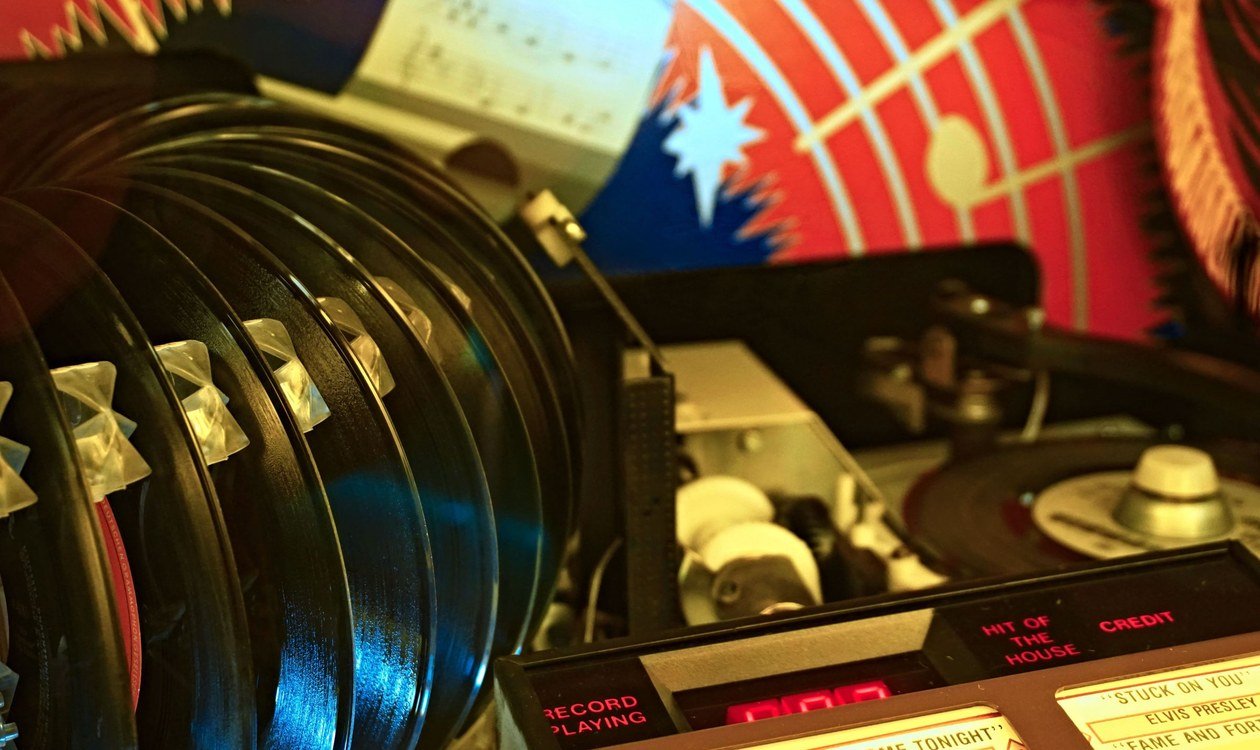
Cool: calm, excellent, impressive: the decade’s all-purpose stamp of approval, borrowed from jazz musicians. “That new Elvis record is really cool, daddy-o.”
Hep: cool and in the know, from the jazz era’s hep cats, used in the early 1950s before hip took over, as Morning Carpool documents.
Hip: stylish and aware of current trends and music. “She’s really hip to the new rock-and-roll scene; she knows every record at the hop.”
Solid: great, impressive, reliable. A jazz word that survived into teen speech: “That combo last night was solid.”
Daddy-o: a friendly term of address for a man, like dude today. “You got the keys, daddy-o? We’re gonna be late for the sock hop.”
Dig: to understand or appreciate something. “Do you dig this crazy new beat, or are you too square for bop music?”
Real gone: fantastic, mind-blowing, rooted in the jazz and early rock scenes: something so great it is almost out of this world. “James Dean is a total dreamboat, every girl at the drive-in is real gone over him.”
Cool cat: a stylish, confident, fashionable person, especially one into jazz or rock and roll. “He’s a real cool cat, always decked out in the sharpest threads.”
Jitterbug: someone who loved to dance, especially to swing and rock and roll.
Bopper: a teenager devoted to dancing to rock and roll and bop music. “She’s a real bopper, she never misses a Saturday night at the hop.”
Cut a rug: to dance energetically.
Ginchy: cool, exciting, the absolute best: a teenage compliment. “You aced that test? Wow, baby, you’re the ginchiest.”
Hipster: in the 50s, simply someone up to date on the latest music and trends.
Bop: the music itself, and by extension a good time: “He really knows how to bop.”
Cars, cruising, and the passion pit
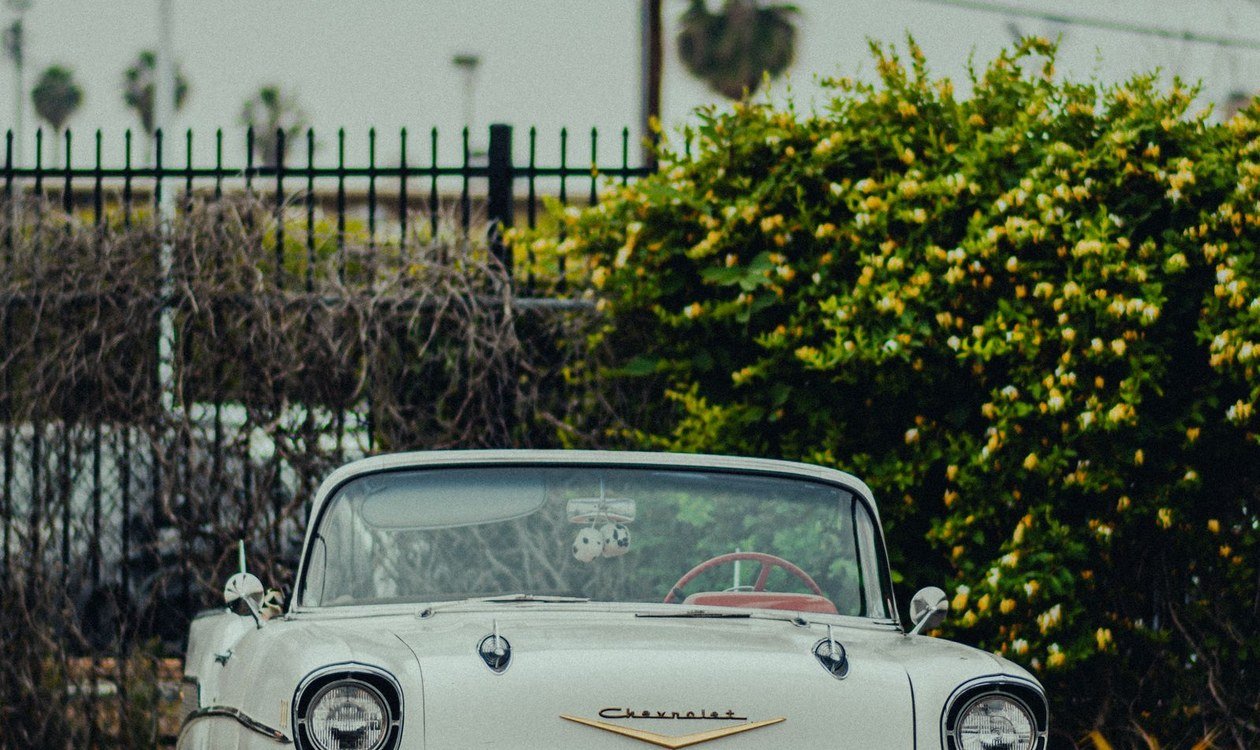
Chariot: a car. “When Mom saw the dent in the chariot, she flipped her lid.”
Burn rubber: to accelerate hard and fast, tires smoking. As Morning Carpool notes, it conveyed both urgency and the thrill of speed.
Souped up: a car modified for better speed and performance.
Lead sled: a heavy, customized car with a sleek, lowered design, listed by MrPopCulture among the decade’s signature car terms.
Passion pit: a drive-in movie theater. Babbel explains that drive-ins were at their peak popularity in the 1950s, and the privacy cars gave couples made them hotspots for making out.
Cruisin’ for a bruisin’: looking for trouble; acting in a way that will get you into a fight. Its earliest printed use Babbel found is a 1945 newspaper article about the Army-Navy football game, where a writer said the Navy team was likely “cruising for a bruising”; it likely came from Black English before the 1950s made it famous. “That loudmouth is cruisin’ for a bruisin’ if he keeps bad-mouthing our gang.”
Agitate the gravel: to leave quickly (hot-rodder talk).
Split: to leave fast. “It’s late, let’s split.”
Chicken: a game of nerves played with cars, two drivers racing toward each other to see who swerves first.
Dating, sweet talk, and going steady
Going steady: being in an exclusive dating relationship. The girl often wore the boy’s class ring or letterman jacket. “Betty and Joe have been going steady since the fall dance, she’s wearing his pin.”
Pinned: a girl wearing a guy’s fraternity pin or jacket, the symbol of a steady relationship.
Doll / Dolly: a cute, attractive young woman; a term of endearment. “That dolly at the soda counter poured the sweetest malted milk in town.”
Dreamboat: a very attractive person.
Necking: kissing and making out. “They caught him necking with his girl at the passion pit, and boy, did his dad flip his lid.”
Make out: to kiss passionately: one of the survivors, still in use today.
Backseat bingo: a playful term for making out in a car.
Crush: a strong infatuation with someone.
Peachy keen: great, wonderful, often used to describe a happy relationship: “Everything is peachy keen.”
Smooch: a kiss.
Approval, attitude, and the ultimate insults
Square: an old-fashioned, boring, overly conventional person: the ultimate 50s insult for someone out of touch. “My dad won’t let me listen to rock and roll, what a square.”
Made in the shade: in a great, successful, secure situation. Morning Carpool describes it as relaxed, confident assurance that your plans are set. “He got the car, the girl, and the job, that guy’s made in the shade.”
The most: excellent, outstanding: the era’s top compliment. “That combo is the most.”
Nifty: really cool or impressive.
Boss: great, excellent.
Bee’s knees: something outstanding or excellent.
Cat’s pajamas: superb or stylish, a phrase that stayed popular through the 1950s.
Ring-a-ding-ding: something impressive and thrilling. Popularized by Frank Sinatra and the Rat Pack, whose nightclub cool gave hip slang enough polish to show up in advertising by the end of the decade.
Flip your lid: to lose your temper or get extremely excited.
Flip your wig: same idea, with a theatrical image: its origins lie in the dramatic reactions of 1950s cinema and television, wigs flying off in a frenzy.
Fuzz: the police. “Kill the headlights, here comes the fuzz.”
Get bent: a blunt way to tell someone to go away, listed among classic 50s put-downs by FiftiesWeb.
Scram: an informal, forceful way to tell someone to leave: “I’ve had enough of your nonsense. Scram.”
Wet rag: someone uninteresting or lacking energy. Drip: the same idea, a bore no one wants to spend time with.
Rat fink: a traitor or snitch, someone who can’t be trusted.
Bird dog: a guy who tries to steal someone else’s girlfriend.
Turkey: a useless or dim-witted person. Babbel notes that by 1951, yelling “You turkey!” at someone was accepted 1950s slang.
Knuckle sandwich: a punch in the face: “a cheeky way to threaten a punch in the playful banter of mid-century youth,” as Morning Carpool puts it.
See you later, alligator: a casual, fun goodbye, with the expected reply “in a while, crocodile.”
What’s buzzin’, cousin?: a rhythmic, friendly “what’s up?”
Kookie: quirky or strange, popularized by the character Kookie on the TV show 77 Sunset Strip.
Take a picture, it’ll last longer: a playful way to tell someone to stop staring.
-ville: a multipurpose suffix turning a noun into an imaginary place: Babbel’s examples include Antsville (a densely packed place), Coolsville (a cool place), and Deadsville (a boring, empty place).
Cloud 9: blissfully happy, still used today.
Drag: something boring or unpleasant, the opposite of cool.
Ankle-biter: a small child. Babbel traces the phrase back to the 1850s, though it entered the average American’s vocabulary in the mid-20th century.
Beatnik: a young person into the bohemian beat lifestyle: poetry, jazz, berets, coffeehouse talk. “He traded his letterman jacket for a beret and bongo drums, he’s gone full beatnik.”
Greaser: a tough, working-class young man with slicked-back, greased hair, leather jacket, and jeans: the decade’s rebel subculture. “Don’t mess with those greasers, they’re cruisin’ for a bruisin’.” Babbel notes the word itself is much older, a 19th-century slur for Mexican and Latin Americans, before it attached to the post-war youth subculture sanitized by pop culture, like the musical Grease and Fonzie on Happy Days.
How 50s Slang Compares to Other Decades
Answer in brief: 50s slang sits between the wartime slang of the 1940s, built on swing and soldier talk, and the 1960s counterculture slang that replaced rock-and-roll cool with hippie idealism. The 50s kept the 40s’ jazz words and musicality, then the 60s and 70s borrowed the 50s’ cool right back.
| Decade | Sound of approval | A cool guy | The outsider | What drove the slang |
|---|---|---|---|---|
| 1940s | hep, solid | hepcat | square, drip | WWII, swing bands, jitterbug dancing |
| 1950s | cool, the most, ginchy | cool cat, daddy-o | square, wet rag | rock and roll, cars, the new teenager |
| 1960s | groovy, far out | hippie | the establishment | counterculture, protest, psychedelic rock |
| 1970s | far out, funky | dude | the Man, nark | disco, punk, TV sitcoms |
The through-line is music. Each decade took the previous generation’s coolest words and bent them to new sounds. The 50s inherited hep, solid, and cat from the 40s jazz scene, turned them into cool, the most, and cool cat, and handed the 60s a whole vocabulary of cool to remix with its own guitars.
50s Slang Words We Still Use Today
Some 50s words never really left. Cool is arguably the most successful slang word in English history: born in 1940s jazz clubs, adopted by 50s teenagers, still one of the most-used words in the world. Hip, dig, pad (home), threads (clothes), square, make out, crush, and cloud 9 all survived, and the 1970s slang generation picked several of them up for a second act.
They survived because they filled real gaps. English had no single perfect word for effortless approval before cool went mainstream, and no equally casual word for your home before pad. Every generation since has had a soft spot for 50s style, which is why advertisers keep reaching for it. The words that faded, like daddy-o and peachy keen, were the ones too tied to the decade’s costumes to live outside them.
How Movies and TV Kept 50s Slang Alive
Answer in brief: Most people today meet 50s slang through 1970s nostalgia: Happy Days (1974 to 1984) and Grease (1978) taught a new generation the decade’s vocabulary, American Graffiti (1973) captured the cruising slang, and Frank Sinatra’s Rat Pack carried the smooth adult version of hip talk into the mainstream.
Happy Days (1974-1984)
The sitcom about 1950s Milwaukee turned slang into catchphrases. The Fonz’s “Ayyy,” “sit on it,” and “whoa” became national sensations, and Richie Cunningham’s world of sock hops, malt shops, and drive-ins taught a new generation what cool meant in the 1950s. Babbel credits the show’s Fonzie with sanitizing the greaser image for mass audiences.
Grease (1978)
The hit musical and film was a slang showcase. Danny Zuko’s greaser gang, the T-Birds, and the Pink Ladies cemented the definitive image of 50s youth culture: hot rods, drive-ins, and rock and roll. Babbel points to Grease as a key force in how the 1970s remembered, and softened, the decade.
American Graffiti (1973)
George Lucas’s coming-of-age film captured a single night of cruising in early-60s California, right at the tail end of the 50s era. Characters cruised the strip, tuned into Wolfman Jack on the radio, and threw around authentic slang like chicken and make-out point.
The Rat Pack and the smooth side of cool
Frank Sinatra, Dean Martin, and Sammy Davis Jr. carried an adult, nightclub version of hipster slang into the mainstream: ring-a-ding-ding, birds (girls), and the general glow of cool. Their polish helped words like cool and hip show up in advertising copy by the end of the decade.
Myths About 50s Slang
Myth 1: “Groovy” is a 1950s word
Correction: despite what many people assume, groovy belongs to the late 1960s and the hippie era, not the 1950s. In the 50s, people said cool, hip, ginchy, nifty, or the most to express approval. Merriam-Webster defines groovy as “usually used to evoke the language of the 1960s,” which is exactly the era the 1970s slang guide covers.
Myth 2: 50s slang was all cute and innocent
Correction: the decade had cheerful words like peachy keen and dreamboat, but it also had a rough edge: knuckle sandwiches (punches), cruisin’ for a bruisin’, get bent, rat fink, and the fuzz (police). Greasers and street-corner kids had a tougher vocabulary than the sock-hop crowd, and moral panics over comic books, rock and roll, and juvenile delinquency show that adults were genuinely worried about youth language and behavior.
Myth 3: Beatniks and hippies were the same thing
Correction: beatniks were a 1950s phenomenon, jazz-loving, coffee-drinking, poetry-reading bohemians with berets and bongo drums. Hippies were a 1960s movement built around rock music and political protest. They shared some slang roots (dig, cool), but the beatnik of 1957 and the hippie of 1967 belonged to different worlds. As Babbel puts it, before there were hippies, there were greasers: each subculture had its own decade.
FAQs About 50s Slang
What is the most famous 50s slang word?
Cool. Born in 1940s jazz clubs, adopted by 50s teenagers, and still one of the most-used English words in the world. Close runners-up include daddy-o, greaser, square, and going steady.
What does “daddy-o” mean and where did it come from?
Daddy-o was a friendly term of address for a man in the 1950s, like dude or man today. Babbel traces it to at least 1949, when jazz musicians used it to show camaraderie on stage; like much cool slang, it was invented by Black Americans. It fell out of everyday use in the 1960s but survives as the decade’s signature word.
Is “groovy” a 1950s word?
No. Groovy became popular in the late 1960s and 1970s with the hippie movement. Merriam-Webster notes it is “usually used to evoke the language of the 1960s.” In the 1950s, people said cool, hip, ginchy, nifty, and the most.
Which 50s slang words do people still use today?
Cool, hip, dig, pad, threads, square, make out, crush, and cloud 9 all survived. They outlived the decade because they filled useful gaps in everyday speech, and because every generation since has had a soft spot for 50s style. The 1990s slang generation gave several of them yet another remix.
How is 50s slang different from 1960s slang?
50s slang is upbeat, musical, and car-obsessed, built around rock and roll and the new teenager. 1960s slang is more political and psychedelic, built around the counterculture: groovy, far out, the establishment. The 50s wanted to have fun; the 60s wanted to change the world. See the comparison table above for the side-by-side breakdown.
What did 50s teenagers call their cars?
Chariot was the general word for a car. A modified hot rod might be souped up, a heavy customized one a lead sled, and the drive-in movie theater you cruised to was the passion pit. Car slang was so central to the decade that it generated its own verbs: burn rubber, agitate the gravel, split.
What was a greaser in the 1950s?
A greaser was a tough, working-class young man with slicked-back, greased hair, a leather jacket, and jeans: the decade’s rebel subculture, built around cars and rock and roll. Think Danny Zuko in Grease or the Fonz on Happy Days. Babbel notes the word itself predates the subculture by a century, but the 50s gave it leather jackets and a soundtrack.
Sources & Further Reading
- Babbel: The 1950s Slang Phrases That Defined the Decade: origins of daddy-o, cruisin’ for a bruisin’, greaser, turkey, passion pit, and the -ville suffix
- Morning Carpool: 21 Slang Expressions From the ‘Age of Swing’ That Were Cool in the 50s: ring-a-ding-ding, hep, real gone, flip your wig, knuckle sandwich, made in the shade
- FiftiesWeb: Which of These 1950s Insults Do You Still Use?: get bent, scram, wet rag, drip, rat fink, bird dog, square
- MrPopCulture: The Best 1950s Slang and What It Meant: lead sled, souped up, passion pit, going steady, dreamboat, bee’s knees
- Merriam-Webster: Groovy Definition: “usually used to evoke the language of the 1960s”


Pingback: 1940s Slang: 26 Vintage Words & Phrases Explained
Pingback: 60s Slang Meaning: 25 Groovy Words From the 1960s Explained