
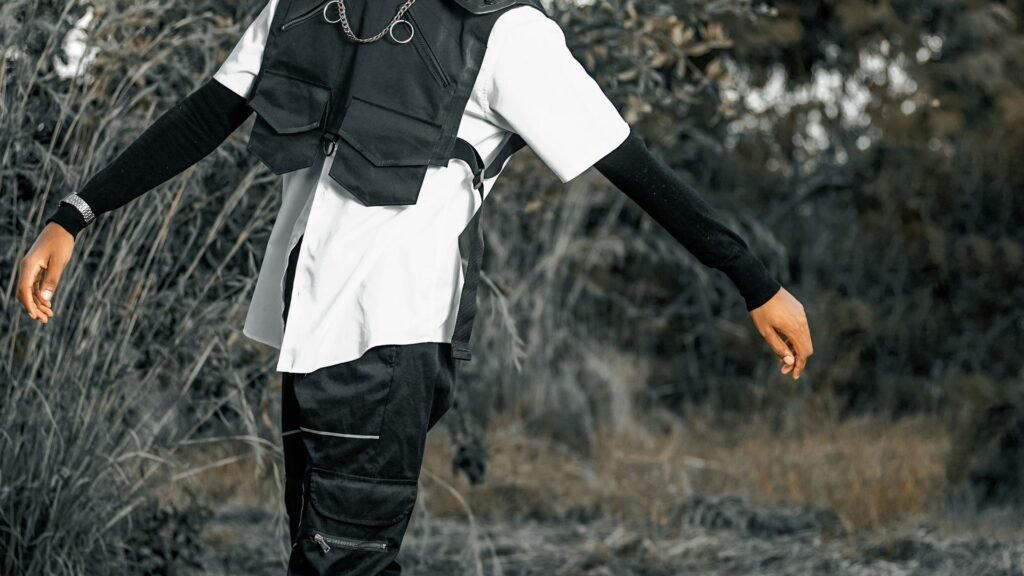

Fit is slang with two meanings, and context decides which one you are hearing: in the UK it usually means a person is attractive, while in the US it usually means an outfit looks good.
That split is what makes the word so easy to misread. A British friend who texts “you’re fit” is giving you a very different compliment from an American friend who comments “nice fit” under your photo. One is about you. The other is about your clothes. Both are positive, both are casual, and both show up constantly on TikTok, Instagram, and in everyday texting. If you know which version you are dealing with, the word is simple. If you do not, you can end up answering a compliment about your jacket as if someone just flirted with you, or missing a flirt entirely.
I have watched this confusion play out in comment sections for years. Someone posts a mirror selfie, a British follower writes “fit,” an American follower writes “fit,” and they mean two completely different things while using the exact same three letters. This article sorts that out. You will learn both meanings, how to tell them apart in about two seconds, where each one came from, and when the word is safe to use and when it is better left alone.
Table of Contents
- Table of Contents
- What Does “Fit” Mean in Slang?
- Fit Meaning in the UK: The Person Is Hot
- Fit Meaning in the US: The Outfit
- Fit Check, Nice Fit, and Fits: The Phrasebook
- How to Tell Which “Fit” Someone Means
- Where “Fit” Came From: Two Timelines
- Fit on TikTok and in Texting
- Fit vs Similar Words
- Who Says It, Where, and to Whom
- How to Reply When Someone Says It
- Myth vs Fact
- When Not to Use “Fit”
- FAQs
- Sources
What Does “Fit” Mean in Slang?
Fit has two slang meanings that live side by side. In British slang it describes a person who is sexually attractive, good looking, and appealing, the kind of person you would call hot. In American slang it is short for outfit, a full clothing ensemble, and it is used to praise how someone is dressed. The word itself never tells you which meaning applies. The speaker, the setting, and the words around it do that work.
This is not a case of one meaning being right and the other being wrong. Both are real, both are widely used, and both have their own history. The British meaning is older, with roots in the late 1990s and early 2000s, when it grew out of the idea of being physically fit and became a way to call someone attractive. The American outfit meaning came later, picking up speed in the late 2010s among teens on Snapchat, Twitter, and Instagram, and then exploding on TikTok through the fit check trend. Knowing both timelines helps you understand why the same word can feel like a flirt in London and a fashion compliment in Los Angeles.
The simplest way to hold the two meanings in your head is this: in the UK, “fit” usually points at a person; in the US, it usually points at clothes. There are exceptions, and people travel, watch each other’s shows, and borrow each other’s slang, so the lines blur. But as a starting rule, person versus clothes will get you the right answer most of the time. The rest of this article gives you the clues to handle the cases where that rule is not enough.
Fit Meaning in the UK: The Person Is Hot
In the UK, calling someone fit means you find them attractive. It is a direct, casual compliment about a person’s looks, close to “hot” or “good looking,” and it carries a flirty edge. Wiktionary lists this as UK informal slang, defining fit as sexually attractive, good looking, and fanciable, which is a very British way of saying someone is appealing enough to fancy. If a British person says “she’s fit” or “he’s fit,” they are talking about the person, not the person’s clothes.
The word shows up in everyday British speech in a few common shapes. “You’re fit” is the most direct version, a compliment aimed straight at someone. “He’s well fit” adds emphasis, the way Americans might say “really hot.” “Fit but you know it” is a phrase many people recognise from The Streets, whose 2004 song of that name helped put the word on the map. The song’s title alone tells you how the word worked at the time: it was about a person who knows they look good, not about an outfit.
British television helped spread the meaning even further. Shows like Love Island and The Inbetweeners popularised the UK sense, putting the word in front of millions of viewers who then carried it into their own conversations. On Love Island in particular, contestants describing each other as fit made the word feel normal, flirty, and very much part of dating talk. That is still the register it lives in today. When you hear it in a British context, assume attraction is part of the message unless something else in the conversation points another way.
The tone matters here. “Fit” in the UK sense is informal and often flirty, so it fits best between friends, in dating, and in casual conversation where that kind of compliment is welcome. It is not a formal word, and it is not a neutral one. Calling a stranger fit out of nowhere can come across as forward, and calling a colleague fit at work can cross a line. The word itself is short and light, but the meaning behind it is personal in a way the outfit meaning simply is not.
Fit Meaning in the US: The Outfit
In the US, fit is short for outfit, and it means the whole clothing ensemble a person is wearing. When someone comments “nice fit” on a photo, they are praising the clothes, the way the pieces work together, and the style on display. FamilyEducation describes it plainly for Gen Z readers: fit is short for outfit, a clothing ensemble that highlights a person’s style. It is a fashion compliment, not a comment on someone’s body or face.
This meaning took off in the late 2010s and became popular in late 2019 and early 2020 among teen girls on Snapchat, Twitter, and Instagram, according to FluentSlang, which traces the outfit sense to that period. From there it spread fast. Streetwear culture and US hip-hop helped push it, and social media did the rest. Once people started posting daily outfit photos and mirror selfies, they needed a short word for the whole look, and “fit” was ready and waiting. It is quicker than “outfit,” it sounds casual, and it fits neatly in a comment.

People use the word in a few everyday ways. “Nice fit” is the classic comment, short and positive. “Rate my fit” is a request for opinions on an outfit, usually under a photo. “Today’s fit” introduces a photo of what someone is wearing that day. And when an outfit really lands, people say it ate, which is a stronger compliment that means the look was excellent. A fit can be clean, which means neat and well put together, or it can be bold, loud, and full of personality. Either way, the word is about the clothes and the styling, not the person inside them.
One useful detail is that “fit” in this sense often carries a note of approval for the choices behind the outfit, not just the clothes themselves. A nice fit might mix thrifted pieces with new ones, or pair colours in a way that works. Building a good fit on a budget often means finding dupes, cheaper lookalikes of pricier pieces, and that resourcefulness is part of what people are praising. The compliment lands on taste as much as on any single item.
Fit Check, Nice Fit, and Fits: The Phrasebook
The outfit meaning of fit has grown its own little phrasebook, and learning it makes the word much easier to read. The most important phrase is “fit check,” which means a photo or video showing off your outfit, usually head to toe. A fit check might be a quick mirror video before going out, or a slow pan down from jacket to shoes. The point is the same: here is what I am wearing, what do you think. The hashtag version, #fitcheck, is one of the biggest fashion trends on TikTok, and it is almost always about clothes.
“Nice fit” is the simplest compliment in the set. It means the outfit looks good, and it is the comment you will see most often under outfit photos. It is warm, casual, and low effort in the best way, a quick way to say you noticed and you liked what you saw. “Clean fit” means the outfit is neat, sharp, and well put together, with nothing out of place. “Fire fit” means the outfit is outstanding, the kind of look that stops people mid-scroll. Each version adds a little more praise, but the core message stays the same: the clothes work.
Then there is “fits,” the plural. People talk about their fits the way they talk about their outfits, as a collection. “I need new fits for summer” means new outfits for summer. “Her fits are always on point” means her outfits are consistently good. The plural form only really works for the clothing meaning. Nobody says “his fits” to mean the people he finds attractive, so when you see “fits” with an s, you can be fairly confident the conversation is about clothes.
A few related words show up alongside fit so often that they are worth knowing. Drip means flashy, expensive-looking style, often with designer pieces. Flex means showing off something impressive, and showing off a fit is a kind of flex, especially when the outfit is expensive or rare. Fire means excellent or exciting, and clean means neat and sharp. Vibe is looser, a word for the overall feeling a person or a look gives off. These words overlap with fit, but none of them means exactly the same thing, and the comparison table later in this article lays out the differences.
How to Tell Which “Fit” Someone Means
You can usually tell which meaning of fit someone intends within a couple of seconds, once you know the four clues to look for. The clues are who is talking, what is in the photo, the words around it, and the emojis. Check them in order and the right meaning will usually stand out clearly.

Clue 1: Who Is Talking
The speaker’s background is often the strongest clue. If the person is British, or the conversation is full of British slang, “fit” is more likely to mean attractive. If the person is American, or the conversation is about fashion and streetwear, “fit” is more likely to mean outfit. This is not a hard rule, since slang travels, but it is a good first filter. A British TikToker saying “he’s fit” and an American TikToker saying “nice fit” are using the same word in two different worlds.
Clue 2: What Is in the Photo
If there is a photo or video, look at what it shows. A full-body shot, a mirror selfie, or a video panning down an outfit points to the clothing meaning. The whole point of the image is the clothes, so “fit” is almost certainly about them. A close-up of a face, a candid shot of a person at a party, or a photo where the clothes are barely visible points the other way. When the image is about a person rather than an outfit, the British meaning becomes much more likely.
Clue 3: The Words Around It
The surrounding words usually give the game away. Phrases like “nice fit,” “rate my fit,” “fit check,” and “today’s fit” are all about outfits. Words like “outfit,” “shoes,” “jacket,” or “drip” nearby confirm it. On the other side, “you’re fit,” “she’s fit,” and “he’s so fit” with no mention of clothes point to attraction. If the sentence has a person as its subject and no clothing words in sight, the UK meaning is the safer bet.
Clue 4: The Emojis
Emojis add a final layer of evidence. A fire emoji, eyes emoji, or heart eyes next to “fit” often leans toward attraction, especially in a British context. Clothing emojis, a camera emoji, or a simple thumbs up lean toward the outfit reading. Emojis are never proof on their own, and people use them loosely, but combined with the other three clues they usually confirm what you already suspect. When all four clues point the same way, you can trust your reading.
Where “Fit” Came From: Two Timelines
Fit has two origin stories because it has two meanings, and each one grew in a different place at a different time. The attractive sense came first, in the UK, and the outfit sense followed years later in the US. Keeping the two timelines separate is the easiest way to understand how one small word ended up doing two jobs.
The UK Timeline: Attractive, Late 1990s to Early 2000s
The attractive sense of fit gained traction in the UK in the late 1990s and early 2000s, according to SkibidiMean, and it grew out of the older idea of being physically fit. Someone who was fit in the gym sense was in good shape, and that idea of a good-looking, well-built body slid naturally into a slang meaning of attractive. From there it spread into everyday speech, helped by music and television. The Streets’ 2004 song “Fit but You Know It” is the best-known marker of that period, and Wiktionary quotes the song in its entry for the word. Love Island and The Inbetweeners later popularised the sense further, carrying it to a new generation of viewers who kept using it long after the shows aired.
The US Timeline: Outfit, Late 2010s Onward
The outfit sense has a shorter, faster history. It originated in the late 2010s and became popular in late 2019 and early 2020 among teen girls on Snapchat, Twitter, and Instagram, as FluentSlang reports. US hip-hop and streetwear culture gave it a push, and social media gave it a stage. The #fitcheck trend on TikTok then turned a slang shortcut into a full-blown format, with millions of videos showing outfits under the same tag. Where the UK meaning spread through conversation and television over years, the US meaning spread through phones and feeds in a matter of months. Both timelines are reported by the sources cited here, and the dates reflect what those sources say rather than a single settled history.
Fit on TikTok and in Texting
TikTok is where the outfit meaning of fit lives most loudly today. The #fitcheck trend asks creators to show their outfit, usually with a quick spin or a pan from head to toe, and the comments fill up with “nice fit,” “clean fit,” and “fire fit.” On TikTok, fit almost always means outfit. The platform is visual, the format is about clothes, and the audience expects a fashion post when they see the word. If you see “fit” in a TikTok caption or comment, start with the outfit reading and only switch to the attractive reading if something clearly points that way.
Texting is trickier, because there is no video to guide you and the conversation could be about anything. “Rate my fit” in a text is usually followed by a photo of an outfit, so the meaning is clear. “You’re fit” in a text with no photo is usually the British compliment about attraction, especially if the sender is British or the conversation has a flirty tone. “Nice fit” after a photo is the outfit compliment. In texting, the same four clues from the earlier section apply, and the words around “fit” do most of the work. When in doubt, look at the last few messages. The topic of the conversation will almost always tell you which fit you are dealing with.
One thing worth noting is how quickly the word moves between platforms. A fit check that starts on TikTok gets screenshotted to Instagram, quoted on Twitter, and talked about in a group chat, and the meaning travels with it. The outfit sense has become the default online, simply because so much online slang now runs through TikTok and Instagram, where clothes are visible. The UK attractive sense is still strong in speech and in British media, but online, and especially on TikTok, the outfit meaning has the louder voice.
Fit vs Similar Words
Fit sits in a busy corner of slang, surrounded by words that also praise how someone looks. The table below compares fit with outfit, drip, clean, and fire, so you can see where each word fits and when to use which one.
| Word | Meaning | Tone | Where used | Example |
|---|---|---|---|---|
| Fit | An outfit, or in the UK, an attractive person | Casual and approving | TikTok, Instagram, texting, everyday speech | “Nice fit, where did you get the jacket?” |
| Outfit | The clothes someone is wearing, plain and literal | Neutral | Everywhere, formal and casual | “I love that outfit on you.” |
| Drip | Flashy, expensive-looking style | Bold and showy | Hip-hop, streetwear, TikTok | “The drip on this fit is unreal.” |
| Clean | Neat, sharp, and well put together | Approving and understated | Fashion comments, texting | “Clean fit, nothing out of place.” |
| Fire | Excellent, exciting, top quality | Enthusiastic | Comments, texting, TikTok | “That fit is fire.” |
The key difference is scope. Outfit is the plain, literal word for what someone is wearing, and it works in any setting. Fit is the casual slang version, and it can also mean an attractive person in the UK, which outfit never does. Drip is narrower and flashier than fit, tied to expensive or standout style. Clean describes how neat and tidy a fit is, and fire describes how exciting it is. You can combine them freely: a clean fit can also be fire, and a fit with serious drip can still be called a nice fit. They are not rivals. They are different shades of praise, and people mix them to say exactly how much they like a look.
Who Says It, Where, and to Whom
Fit is mostly a young person’s word, used by teens and people in their twenties and thirties, though it has spread well beyond that core group by now. In the UK, the attractive sense is used by anyone comfortable with casual, flirty speech, often among friends or in dating contexts. In the US, the outfit sense is used by anyone who posts outfit photos or talks about style, from streetwear fans to everyday TikTok users showing what they wore to brunch. The word belongs to casual speech, not formal speech, and that shapes where it appears.
Online, the word lives on TikTok, Instagram, Snapchat, and Twitter, in comments, captions, and direct messages. Offline, it lives in school hallways, group chats, parties, and conversations between friends getting ready to go out. A friend might say “nice fit” as you walk out the door, or text “rate my fit” with a mirror photo before a date. In the UK, a friend might nudge you at a party and whisper “he’s fit,” meaning the person across the room. The settings are always informal, and the audience is always someone the speaker is comfortable with.
Who you say it to matters as much as where you say it. Between friends, both meanings are normal. To a crush or a date, the UK meaning is a compliment with clear romantic interest, while the US meaning is a safe, friendly compliment about style. To a stranger, the outfit meaning is usually fine as a quick compliment, while the attractive meaning can feel forward. The word is short, but the social rules around it are real, and reading the room is part of using it well.
How to Reply When Someone Says It
Your reply depends on which meaning you just heard, so the first step is always the same: work out whether the person means your looks or your clothes. Once you know that, the reply writes itself.
If someone says “nice fit” about your outfit, a simple “thank you” works, and you can add where something came from if they ask. “Thanks, the jacket is thrifted” is a natural answer, and it keeps the conversation going. If they say “rate my fit,” give them a real opinion: what you like, and one honest suggestion if you have one. People ask for a rating because they want feedback, not just praise, so a specific comment beats a generic one. “The colours work really well together” says more than “nice.”
If someone in the UK says “you’re fit,” they are flirting or at least complimenting your looks directly. A warm “thank you” works if you are happy to hear it, and a smile or a light joke keeps things friendly. If you are not interested, a polite “thanks” and a change of subject is enough. You do not owe anyone a big reaction. And if someone calls you fit and you are not sure whether they mean your looks or your clothes, it is completely fine to ask with a laugh: “the outfit or me?” Most people will enjoy clearing it up, and the question itself shows you know the word has two meanings.
Cool as a compliment works in a similar low-key way, a short word that says you approve without making a big deal of it. Fit works the same way in its outfit sense: short, casual, and easy to return. The best replies to slang are usually the simplest ones, a thank you and a little warmth, and fit is no exception.
Myth vs Fact
Because fit has two meanings and a short history, a few wrong ideas about it keep circulating. Here are the most common ones, corrected.
Myth: “Fit” Means Someone Is Good at the Gym
Fact: the gym meaning of fit is the older, literal sense of the word, and it is not what slang users usually mean. In slang, fit means attractive in the UK or an outfit in the US. The gym sense may have helped the UK slang sense develop, since being physically fit and being good looking were linked in people’s minds, but when someone texts “you’re fit” today, they are not praising your workout routine. If the conversation is actually about exercise, the literal meaning can still apply, but in slang contexts it almost never does.
Myth: “Fit” Is Always Flirty
Fact: only the UK attractive meaning is flirty. The outfit meaning is not flirty at all. When someone comments “nice fit” on a TikTok outfit video, they are praising clothes, and reading flirtation into it would be a mistake. This is the most common misunderstanding around the word, and it causes the most awkward moments. A compliment about a jacket is not a come-on, and treating it like one can make a friendly interaction strange for no reason. Check the context before assuming flirtation.
Myth: “Fit” Is Only British
Fact: the attractive sense is British, but the outfit sense is American, and it is now the more common meaning online. The word belongs to both countries, in different forms. Millions of American teens use “fit” every day to talk about clothes, and they have never used it to mean attractive. Meanwhile millions of British people use it to mean attractive and rarely use it for outfits. The word is shared, but the meanings are split by geography, and neither country owns it outright.
Myth: A Fit Check Is Just Showing Off
Fact: a fit check can be showing off, but it is often just sharing. Many people post fit checks to get opinions before an event, to show friends a new purchase, or to take part in a trend. Showing off a fit is a kind of flex when the outfit is expensive or rare, and some fit checks are exactly that. But plenty of them are ordinary, friendly posts, closer to asking “does this look okay?” than to bragging. The intent depends on the person, not the format.
When Not to Use “Fit”
Fit is a casual word, and casual words have limits. The first limit is formality. Do not use it with a teacher, a boss, a client, or anyone in a formal setting. “Nice fit” to a manager at work might pass as a light compliment about clothes, but it risks sounding too familiar, and the UK meaning makes it riskier still. In professional settings, plain words like “great outfit” or “you look great” do the same job without the slang baggage.
The second limit is strangers. The outfit meaning is usually safe as a quick compliment to a stranger, a passing “nice fit” on the street is generally taken well. The attractive meaning is not. Calling a stranger fit in the UK sense, out of nowhere, can feel intrusive or creepy, even if you mean it kindly. If you do not know someone well enough to know how they will take a comment on their looks, do not make one.
The third limit is the UK flirting risk, which deserves its own warning. If you are in the UK, or talking to British people, remember that “you’re fit” is a flirt. Do not say it to someone you have no romantic interest in, and do not say it in a context where flirting would be inappropriate, such as at work or in a professional message. Visitors to the UK trip over this one often, using the American outfit meaning and accidentally telling someone they are hot. When in doubt in Britain, say “nice outfit” instead. It is clear, it is safe, and nobody will misread it.
Finally, remember that a look can be snatched, meaning put together and polished, without you needing to comment on the person’s body at all. Praising the styling, the colours, or the choices behind an outfit is almost always the safer and kinder compliment. Save the UK meaning for people you know well and situations where a flirty compliment is welcome.
FAQs
What does “fit” mean in slang?
Fit has two slang meanings. In the UK it means a person is attractive, and in the US it means an outfit. The speaker and the context decide which one applies. A British person saying “you’re fit” means you look good, while an American commenting “nice fit” means your clothes look good.
What does “you’re fit” mean?
“You’re fit” usually means you are attractive, and it is most common in the UK. It is a direct, flirty compliment about a person’s looks. In an American context it is less common, and if it appears there it is more likely to be borrowed British slang or a comment that needs context to read clearly.
What does “fit check” mean?
A fit check is a photo or video showing off your outfit, usually head to toe. People post fit checks on TikTok and Instagram to share what they are wearing and get opinions. The hashtag #fitcheck is a major fashion trend, and it is almost always about clothes, not attraction.
What does “nice fit” mean?
“Nice fit” means your outfit looks good. It is the most common compliment in the outfit sense of the word, used in comments under photos and in person. It praises the clothes and the styling, not the person’s looks, and it is a friendly, casual thing to say.
What does “fits” mean in slang?
“Fits” is the plural of fit in the outfit sense, and it means outfits. Someone talking about their fits is talking about the outfits they own or wear. The plural form only works for the clothing meaning, so when you see “fits,” the conversation is about clothes.
What does “fit” mean in texting?
In texting, fit usually means outfit, especially when it comes with a photo or a phrase like “rate my fit.” It can also mean attractive in a British or flirty conversation, as in “you’re fit.” Look at who sent it, what was said before it, and whether a photo is involved, and the meaning will usually be clear. When an outfit really lands in a text exchange, people also say it ate, which means the look was excellent.
What is the difference between “fit” and “outfit”?
Fit is the casual slang short form of outfit, used mainly by younger people online and in everyday speech. Outfit is the plain, standard word, and it works in any setting, formal or casual. Fit adds a slang flavour and, in the UK, a second meaning entirely, since it can also describe an attractive person. If you want to be safe and clear, outfit is the better choice, and if you want to sound casual and current, fit does the job. Building a good fit on a budget often means finding dupes, cheaper lookalikes of pricier pieces, which is one reason the slang sense stays so popular with younger shoppers. And as a compliment, cool works in a similar low-key way, a short word that says you approve without making a big deal of it.