
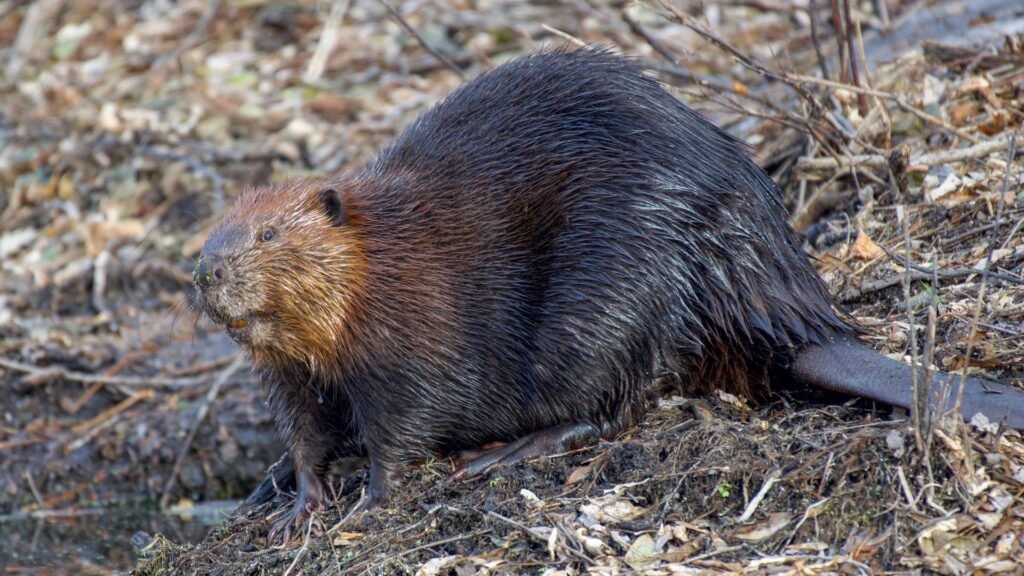

“Beaver” is vulgar slang for the vulva or pubic hair, and by extension a crude, objectifying word for a woman.
If you heard it in a joke, a movie, or an old magazine and wondered what it meant, that is the short version. The longer version is more interesting: this is one word living several lives. Most people meet the animal first, the dam-building rodent from nature documentaries, or the idiom “busy as a beaver.” The slang meaning is the one that gets people in trouble, and it is the one this article explains, factually and without the cringe. I have seen this term pop up in vintage comedy clips and comment sections alike, and almost every time, the person using it has no idea how dated it sounds.
On this page:
- What Does “Beaver” Mean in Slang?
- Is “Beaver” a Bad Word?
- How Did a Beaver Become Slang for That?
- “Eat Beaver” and Other Beaver Phrases
- Not That Beaver: “Busy Beaver,” “Eager Beaver,” and “Beaver Away”
- “Beaver” vs. Similar Slang Terms
- Who Says “Beaver,” and Where It Shows Up
- When NOT to Use “Beaver”
- What to Do When Someone Says It Around You
- Beaver Slang: Myths vs. Facts
- “Beaver” Slang Questions, Answered
- Sources & Further Reading
What Does “Beaver” Mean in Slang?
In slang, “beaver” is a vulgar word for the vulva or pubic hair, and it is also used as a crude way to talk about women. It is labeled vulgar in major slang dictionaries, and using it about a real person is rude and objectifying. The word also has innocent meanings, like the animal, which is why context always decides what someone means.
The dictionary record is blunt. The Free Dictionary’s slang entries give two senses: first, “the female genitals,” marked as usually objectionable, and second, “women considered as receptacles for the penis,” marked rude and derogatory. That second sense is the one to take seriously. It tells you the word does not just name anatomy; it shrinks a person down to a body part, which is exactly why it lands as disrespectful.
The Online Slang Dictionary records the same two uses, with reader-submitted definitions going back to the late 1990s. The word also works as a modifier flagging sexual content: “beaver books” for adult bookstores (James Ellroy used the phrase in 2004), “beaver mags” for explicit magazines (Kurt Vonnegut’s coinage, quoted in 1976), and “beaver shots” for explicit photos in film criticism (in print by 1981).
One more thing worth knowing: the slang sense is chiefly American. The OED entry, quoted in a WordReference discussion of the word, tags the genital sense as chiefly U.S. In British English you are more likely to run into the innocent senses, the animal and the work idioms, which makes the word a small transatlantic trap. An American hearing “beaver” in a British nature documentary hears nothing odd; a Brit hearing it in an American locker-room joke is hearing something else entirely.
Is “Beaver” a Bad Word?
Yes, in its slang sense “beaver” counts as a bad word in most company. Dictionaries tag it vulgar and usually objectionable, and slang-dictionary voters rate it 60 percent vulgar on average. Saying it about a woman is disrespectful, and in a workplace or school it can be treated as sexual harassment. The animal and idiom senses are completely fine.
The numbers back this up. On the Online Slang Dictionary, 186 voters put the word’s vulgarity at an average of 60 percent: not the harshest word in the language, but nowhere near polite. Aimed at an actual woman, it reads worse than a percentage suggests, because of that second dictionary sense.
Online, the word gets treated like explicit content. If you post it on most social platforms or forums, expect it to be flagged, filtered, or tagged NSFW, a label with its own rules and history. Search engines treat the slang sense as adult content too, which is one reason the top results for “beaver slang meaning” are a strange mix of idiom dictionaries and low-quality filler pages rather than one clear, trustworthy article.
How Did a Beaver Become Slang for That?
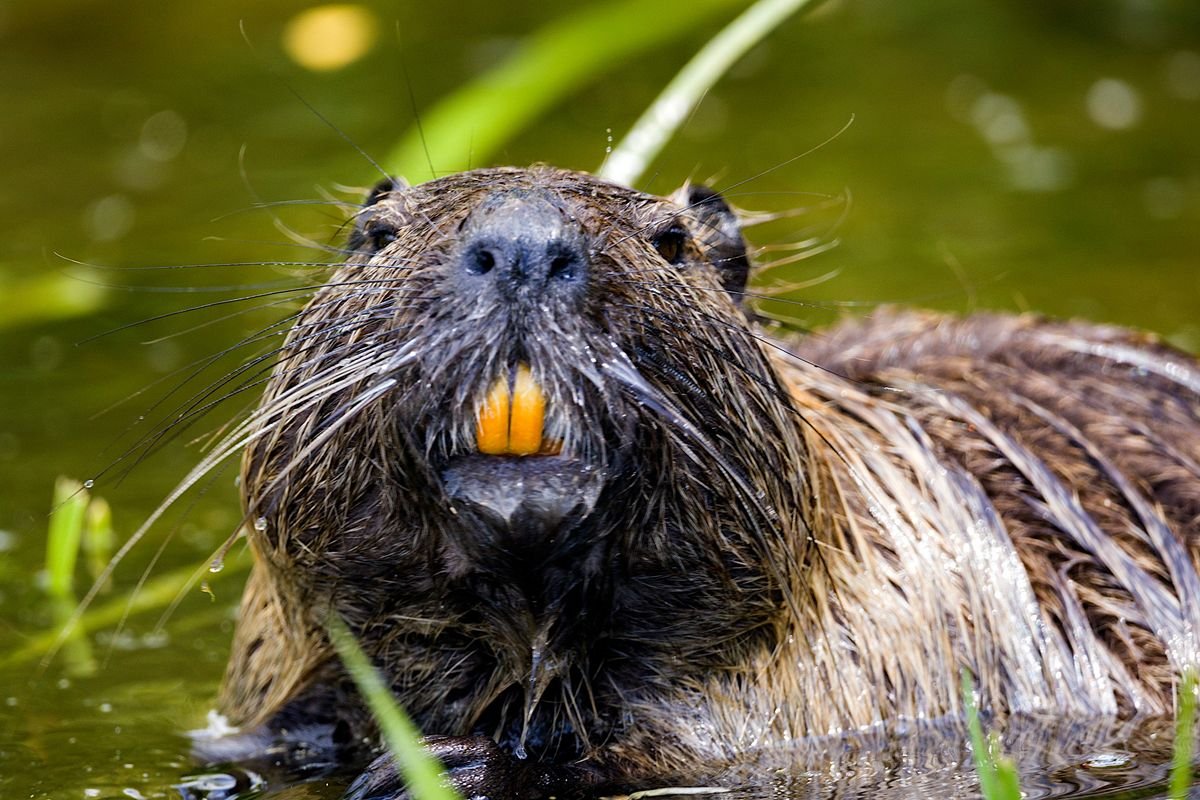
The slang sense grew through a chain of associations, not one single joke. Wiktionary lays out the chain step by step: the word first meant the furry animal, then a man’s beard, then pubic hair, and finally the vulva and women themselves. A 1920s beard-spotting game, in which players shouted “Beaver!” at bearded men, sits right in the middle of that chain.
Start with the fur. Beaver pelts were once among the most valuable trade goods in North America, and the thick pelt became the animal’s defining feature. From there the jump to beards is almost visible: a full beard looks like a pelt strapped to a chin, and by the early 1900s British slang was calling beards “beavers.” The 1920s beard-spotting game made it official play: beards had fallen out of fashion, so spotting a bearded man became a sport, reportedly starting at Oxford and peaking around 1922, with the first spotter yelling “Beaver!” for a point. One often-quoted 1927 citation, a voice at a keyhole yelling “Beaver!” in a poem called Immortalia, looks like an early dirty joke until you know the game.
From beards, the slide to pubic hair follows the same visual logic, and from pubic hair to the vulva itself is a short step that slang takes constantly. By the mid-20th century the genital sense was established in American English, and the OED’s citations show it spreading through the 1970s in print, from “beaver mags” to CB radio slang. In 1977, Rolling Stone quoted truckers using “Beaver” as CB talk for a female: “10-4, Beaver, we’re all going down to Plains tomorrow.” That is the word at peak vulgar-casual, tossed around on open radio channels like it was nothing.
A quick note on honesty: the exact first use of the genital sense is murky, and anyone giving you a confident year is guessing. What the record does support is the chain itself, animal to beard to pubic hair to vulva, with the beard game as the documented bridge. Treat the tidy “it started in year X” versions of this story with suspicion.
“Eat Beaver” and Other Beaver Phrases
The bluntest spin-off is “eat beaver,” a crude euphemism for oral sex performed on a woman. Other offshoots include “beaver shot,” meaning an explicit photograph, “beav” as a shortened form, and, as a locker-room joke, “drain the beaver” for urinating. All of these live in the same vulgar lane as the root word.
“Eat beaver” is the one you are most likely to encounter, usually as a punchline in raunchy comedy or a taunt between guys. It is worth stating plainly what it means, because euphemisms thrive on people not quite knowing: it refers to cunnilingus. Knowing that, you can also see why it is not the harmless joke it pretends to be when aimed at a real person.
“Beaver shot” has a slightly more documented life. The OED’s 1981 citation uses “beaver shots” in film criticism, complaining that a movie could not use them, which tells you the phrase was already established press shorthand for explicit imagery by then. “Beav” is simply the clipped form, the kind of shortening slang loves, and it shows up in the same jokes with a slightly more casual, frat-house flavor.
The Online Slang Dictionary lists a whole family of these compounds, and the pattern is revealing: nearly every one is either explicit or a joke about explicitness. When a slang root only grows joke-branches in one direction, the root is doing one job, the same shock-humor playbook behind the blue waffle meme.
Not That Beaver: “Busy Beaver,” “Eager Beaver,” and “Beaver Away”
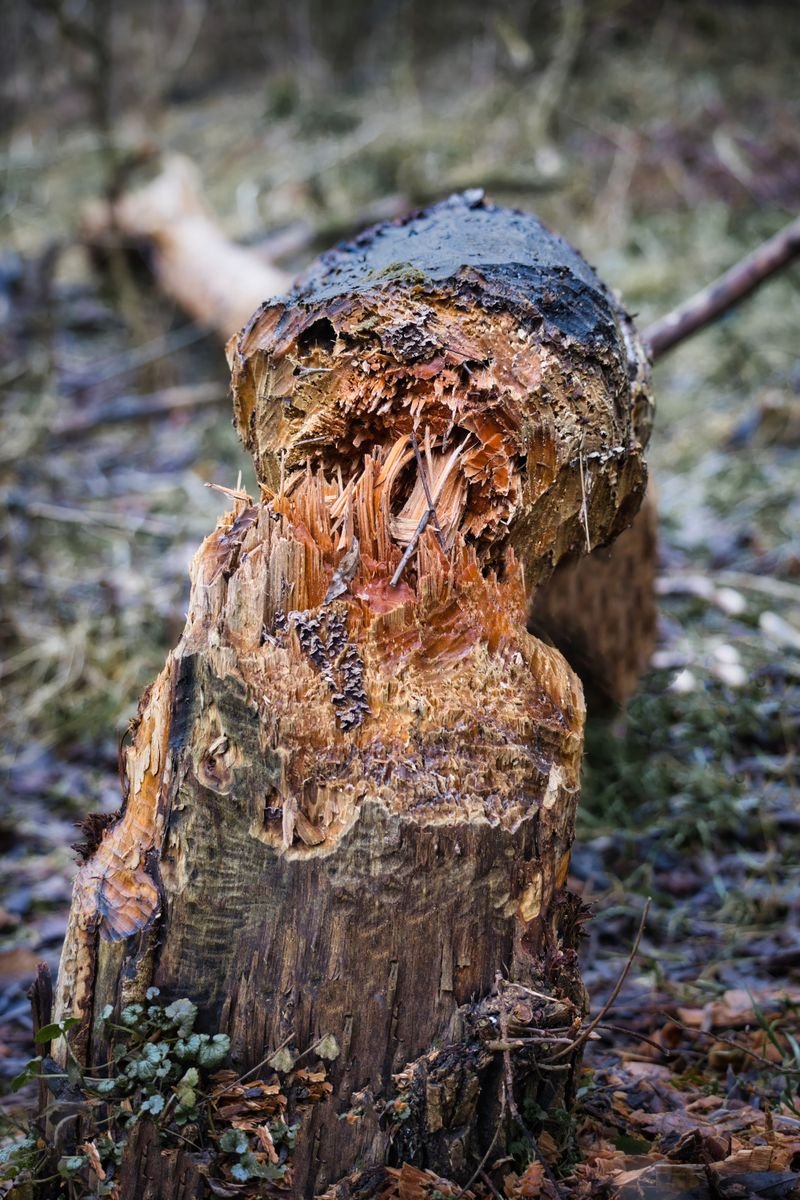
A whole family of beaver idioms has nothing to do with the slang meaning. “Busy as a beaver,” “beaver away,” and “eager beaver” all describe hard work, taken from the animal’s dam-building reputation. These are safe in any setting, though they can still raise an eyebrow if the audience is already thinking about the slang sense.
The work idioms are old and respectable. The Free Dictionary’s idiom entries trace “busy as a beaver” and “work like a beaver” to the animal’s famous industriousness. “Beaver away” means to work hard at something for a long stretch, and “eager beaver” describes someone enthusiastic about work, sometimes annoyingly so; it was especially popular during World War II for recruits anxious to impress.
Then there is the television show. Leave It to Beaver, the famously squeaky-clean 1950s sitcom, starred a boy nicknamed “the Beaver,” supposedly because his brother mispronounced “Theodore” as “Tweeter.” As a WordReference thread on the nickname points out, the show was so wholesome that any sexual reference would have been unthinkable, and the crude “beaver cleaver” joke grew out of the show’s title, not the other way around. If someone tells you the show was secretly a dirty joke, they have the history backwards.
Practical advice: in a work email, “she’s been beavering away on the report” is perfectly professional. At a bar with friends who have just been making crude jokes, the same sentence might get a snicker. The idioms are innocent; the audience is not always.
“Beaver” vs. Similar Slang Terms
Slang has a whole shelf of words for this anatomy, and they are not interchangeable. “Beaver” leans dated and crude; “cooch” is the casual modern cousin; “trim” aims at women as conquests; “beav” is just “beaver” shortened. The table below lines up meaning, tone, where each shows up, and a typical example.
| Term | What it means | Tone | Where you hear it | Example |
|---|---|---|---|---|
| Beaver | Vulva or pubic hair; also women as a group, crudely | Vulgar, dated, objectifying | Vintage comedy, old magazines, locker-room talk | “The review said the film leaned on cheap beaver shots.” |
| Beav | Clipped form of “beaver,” same meaning | Crude, jokey, frat-house | Casual male banter, crude memes | “He would not stop with the beav jokes at the party.” |
| Cooch | Short for “coochie,” the vulva | Casual, still crude but current | Modern memes, casual talk, dating slang | “‘Cooch’ is what people say now where their dads said ‘beaver.'” |
| Trim | Women viewed as sexual conquests | Crude, predatory | Locker-room talk, vintage pickup slang | “The old joke was about guys out hunting for trim.” |
A few things the table makes clear. First, age matters: “beaver” and “trim” sound like they time-traveled from a 1970s comedy club, while “cooch” belongs to the group chat era. Second, the target matters: “beaver” and “cooch” name anatomy, while “trim” names women directly as prizes, which is why it reads as the most openly predatory of the set. Third, none of these are compliments, no matter how playfully they are delivered.
Slang in this lane tends to reduce people to body parts, a pattern you can see in body-focused slang like FUPA as well. And the neighborhood includes terms with a different weight entirely: BBW, for instance, carries a real community meaning beyond any insult, which “beaver” never developed. That is one more reason the word feels stuck in time: it never grew a second, kinder life.
Who Says “Beaver,” and Where It Shows Up
“Beaver” mostly shows up in crude male banter, vintage dirty jokes, and adult-media descriptions. You hear it in locker-room talk, raunchy comedy, old magazines, and explicit forums, aimed at male audiences and almost never said to the woman herself. In texting and on social media it is rare now, pushed out by newer terms.
Who says it: mostly men, mostly in all-male settings, and disproportionately older men who grew up when the word was at its peak. Crude comedy writers use it for a cheap retro laugh, and adult-media marketers use the attributive form as a flag for explicit content. Where it shows up: locker rooms and comedy clubs, vintage men’s magazines and their forum descendants, explicit video titles, and raunchy movies playing the 1970s for laughs. In the 1970s it even had a public life on CB radio, with truckers tossing “Beaver” around as slang for a woman on open channels. In dating contexts it travels with blunt hookup slang, the same lane as dating terms like DTF, though it is far less common there now.
To whom it is said: almost always about women, to other men, not to women directly. That is the pattern to notice. Words that are only ever said about a group, never to them, are telling you exactly how the speaker sees that group. When someone does say it to a woman’s face, it is meant to shock or demean, and it usually succeeds.
The generational shift is real. Slang-dictionary voting shows most people have heard the word but stopped using it. When “beaver” appears now, it is often a retro joke about old slang, which is a sign a word has become a museum piece.
When NOT to Use “Beaver”
Do not use “beaver” at work, at school, around family, in front of strangers, on public social media, or about any real woman, ever. It is not playful enough for mixed company and not clever enough for comedy anymore. If the setting makes you wonder whether it is okay, it is not.
At work, using it about a coworker can be documented as sexual harassment, and “it was just a joke” is not a defense that holds up. At school, it can mean detention at best and a harassment report at worst. Around family, it will offend someone at the table. On public social media, it gets flagged as explicit content, which can limit your reach or get the post removed.
About a real woman, in any setting, it is never the right word. Not as a compliment, not as teasing, not among friends if she can hear it. Terms that reduce people to anatomy do not become affectionate through tone of voice. The one partial exception people ask about is quoting it: discussing the word, as this article does, or quoting a movie line to talk about the movie, is fine. Repeating it as your own joke is not quoting.
The innocent senses stay innocent. Talking about the animal, saying someone is “beavering away” at a project, calling a keen new hire an “eager beaver”: all fine, everywhere. The trouble starts only with the slang sense, which is why the disambiguation section above exists. When in doubt, say “vulva” if you mean anatomy, or just do not say it at all.
What to Do When Someone Says It Around You
If someone says it as a joke, you can let it pass, redirect the conversation, or call it out, depending on who is around. If it is aimed at a woman or repeated after you asked them to stop, that is harassment, and you can say so plainly, leave, or report it at work or school.
Scenario one: a friend drops it as a throwaway joke and nobody seems hurt. A light redirect works best: “Dude, really?” with a tired look, then move the conversation along. Not laughing is a complete sentence in group dynamics.
Scenario two: it is aimed at a specific woman, or someone keeps saying it after being asked to stop. That is a different situation. Name it plainly: “That is not funny, it is gross, knock it off.” If it happens at work, document it: what was said, when, who heard it. If it happens at school, tell a teacher or counselor. You do not need to debate whether the person “meant it that way.” Impact is what counts, and repeated crude sexual language aimed at someone is harassment by any reasonable definition.
Scenario three: it is aimed at you. You get to set the terms. “Do not talk about me like that” is a complete response. You do not owe an explanation, a laugh to soften it, or a second chance in the moment. Online, the move is simpler: mute, block, report. Platforms treat this language as explicit or harassing, and their reporting tools agree with you.
Beaver Slang: Myths vs. Facts
Myth: The slang meaning goes back to a dirty poem from 1927.
Fact: The famous 1927 quote, a voice at a keyhole yelling “Beaver!” in a poem called Immortalia, is about the beard-spotting game, not anatomy. It documents the beard sense at the height of the 1920s craze. It is still a useful data point, just not for the meaning people think.
Myth: Leave It to Beaver was hiding a dirty joke in its title.
Fact: The show was famously wholesome, and the nickname came from a mispronounced “Theodore,” not from slang. The crude “beaver cleaver” pun grew out of the show’s title after the fact. The timeline runs show first, dirty joke later.
Myth: It is a modern internet word.
Fact: It is vintage. The slang sense was already in print by the 1970s, peaked in raunchy 20th-century comedy, and has been fading since. If it feels like a word your uncle would say, that is because it mostly is.
Myth: It is just playful teasing between guys.
Fact: Dictionaries tag it vulgar and usually objectionable, and one of its two dictionary senses is explicitly about reducing women to body parts. “Playful” is doing a lot of work in that sentence, and the woman it is about rarely agrees.
Myth: “Busy beaver” is a dirty joke.
Fact: The whole work-idiom family, busy as a beaver, beaver away, eager beaver, is about industriousness and is centuries old in spirit. It is completely safe. The only risk is an audience with a one-track mind, which is their problem, not the idiom’s.
“Beaver” Slang Questions, Answered
What does “beaver” mean in slang?
Short answer: It is vulgar slang for the vulva or pubic hair, and a crude word for a woman.
The slang dictionaries are consistent on this. The Free Dictionary’s slang entries list “the female genitals” as the first sense, marked usually objectionable, and “women considered as receptacles for the penis” as the second, marked rude and derogatory. That is the whole definition in one sentence.
Is “beaver” offensive?
Short answer: Yes. It is tagged vulgar in slang dictionaries and rated 60 percent vulgar by dictionary voters.
Offense is always partly about context, but this word starts from a bad place: one of its two dictionary senses reduces women to body parts. Aimed at a real person, in a workplace, or around kids, it is offensive, full stop. The animal and the work idioms are the only senses with no sting.
What does “eat beaver” mean?
Short answer: It is a crude euphemism for oral sex performed on a woman.
You will mostly hear it as a punchline in raunchy comedy or crude banter. Like the root word, it pretends to be a joke while aiming its crudity at women.
Is “beaver” slang still used, or is it outdated?
Short answer: It is outdated. Younger people have replaced it with newer terms.
The word peaked in the raunchy comedy and men’s-magazine era of the 1970s and 80s. Most people have heard it but stopped using it, and in current memes and group chats “cooch” fills the same slot. When “beaver” appears now, it is often a retro joke about old slang.
What is a “beaver shot”?
Short answer: An explicit photograph, originally press shorthand in film criticism.
The phrase was established enough by 1981 to appear in print discussions of what films could and could not show. From there it spread as general slang for any sexually explicit photo. It belongs to the attributive family, “beaver” plus a noun, that always signals sexual content, alongside “beaver mags” and “beaver books.”
Does “busy beaver” have a dirty meaning?
Short answer: No. It means a hardworking person, and it is completely safe.
“Busy as a beaver,” “beaver away,” “work like a beaver,” and “eager beaver” all come from the animal’s dam-building reputation and describe industriousness. They are fine in work emails, classrooms, and family dinners. The only caution is situational: if your audience has just been making crude jokes, even an innocent idiom can get a snicker, but that says nothing about the idiom.
Why do people say “beaver” for that in the first place?
Short answer: A chain of visual associations: furry animal, to beard, to pubic hair, to the vulva.
Wiktionary traces it step by step, and each link is a resemblance joke: the animal’s thick pelt suggested a man’s full beard, the 1920s beard-spotting game cemented the beard sense, pubic hair followed the same visual logic, and the vulva was the final stop.
Sources & Further Reading
The dictionary backbone of this article comes from The Free Dictionary’s idiom and slang entries, which include the McGraw-Hill slang definitions of “beaver” alongside the full family of work idioms. Wiktionary’s entry for “beaver” lays out the etymological chain from the animal through beards and pubic hair to the modern slang senses, with dated citations. The Online Slang Dictionary’s “beaver” page records reader-submitted definitions, related compounds like “beaver shot” and “beav,” and the community’s 60 percent vulgarity rating. Finally, a WordReference forum thread quotes the Oxford English Dictionary’s 1927 citation and corrects the record on the 1920s beard-spotting game, with useful context on the Leave It to Beaver nickname as well.