
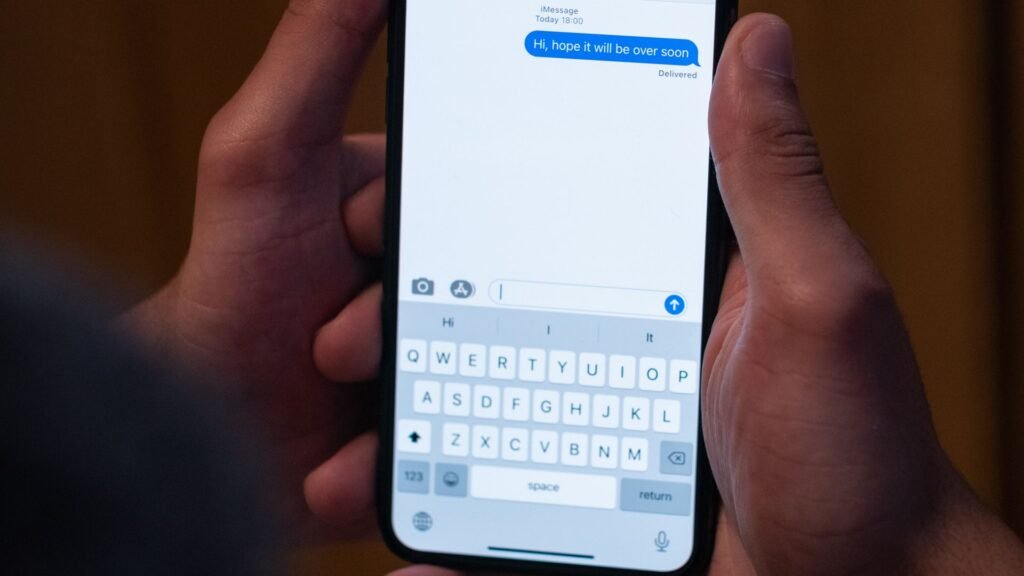

In slang, FS means “for sure,” a quick way to say yes, definitely, or I agree in texts and DMs, though the same two letters can also mean “for sale” in a marketplace listing or “full send” in gaming and sports, so the setting around it decides which meaning applies.
Two letters, one reply, and a surprising amount of confusion. Someone texts you “fs” after you ask about Saturday plans, and you know they are in. Someone else writes “FS” under a photo of a used phone, and they are selling it. A gamer types “fs” before a risky play, and they mean something else entirely. The letters never change. The room around them does.
That is the whole trick with FS. It is one of the shortest pieces of slang in everyday use, and it does a lot of work for its size. It confirms plans, agrees with opinions, hypes up a friend, and closes a conversation, all without a single full word. It is also one of the easiest terms to misread, because a flat “fs” can sound cold to someone who expected enthusiasm, and a “FS” in the wrong place can look like a sales ad instead of an agreement.
I have watched this one spread from DMs into comments, captions, and group chats over the last decade, and it has stayed remarkably stable while other slang terms came and went. The reason is simple: “for sure” is one of the most useful phrases in English, and FS is just the fastest way to type it. This guide covers what FS means, how the tone shifts with the typing, where each meaning lives, and when you should skip it and type the full words instead.
Table of Contents
- What Does FS Mean in Text?
- Uppercase FS or Lowercase fs?
- How to Use FS in a Sentence
- How FS Changes Tone
- What FS Means on Snapchat, Instagram, TikTok, and WhatsApp
- Where Did FS Come From?
- What Else Does FS Mean?
- FS vs FR, FFS, and Similar Slang
- Who Says FS, and Where?
- How to Reply When Someone Sends FS
- Myths About FS
- When NOT to Use FS
- FAQs About FS Slang
- Sources and Further Reading
What Does FS Mean in Text?
FS means “for sure” in text. It is a casual way to say yes, definitely, or I agree, and it works as a full reply on its own or as a booster at the end of a sentence. Someone asks “you coming tonight?” and you reply “fs,” meaning yes, absolutely, count me in. Someone says “that new album goes hard” and you reply “fs,” meaning you agree completely. The shorthand does the job of a whole sentence in two letters.
The full phrase behind it, “for sure,” is old, established English. Merriam-Webster records its first known use in 1534, in the meaning of certainly or without doubt, and dictionaries still define it the same way today. The two-letter version is much younger, a product of texting culture, but it carries the same certainty. When someone sends “fs,” they are not hedging. They are confirming.
FS works in two positions. On its own, it stands in for a complete answer: “You still down for Saturday?” “fs.” At the end of a sentence, it strengthens whatever came before it, closer to “for real” or “no doubt”: “That works fs.” “The show was elite fs.” Both forms mean the same thing, but the standalone reply reads as a decision, while the sentence-ender reads as emphasis. The difference is small, and most people use both without thinking about it.
One thing worth knowing early is that FS is almost always lowercase in casual chat. Lowercase “fs” is the default on Snapchat, TikTok, and Instagram, and it reads relaxed and friendly. Uppercase “FS” shows up too, but it reads more definite, closer to “absolutely” than “yeah.” The letters are the same. The case changes the volume.
Uppercase FS or Lowercase fs?
Lowercase “fs” is now more common than uppercase “FS,” and the shift matches how Gen Z writes short slang in general. Lowercase reads casual, quick, and low effort, which is the whole point of a two-letter reply. Uppercase reads emphatic, almost shout-like, and it stands out in a thread full of lowercase messages. On Snapchat and TikTok, lowercase is the default. In marketplace listings and older Facebook comments, uppercase still shows up more, because “FS” there usually means “for sale” and the capitals are part of the listing format.
Both forms carry the same meaning, so the choice is about register, not definition. Reply “FS” with capitals and the message reads more definite, closer to “absolutely.” Reply “fs” and it lands relaxed, almost passing, like a nod. Neither is wrong. The trick is matching the energy of the conversation. A capital “FS” after a friend’s excited announcement reads as hype. A lowercase “fs” after a simple planning question reads as a calm yes. Use the wrong case and the message can feel slightly off, even though the words are the same.
There is one more case to watch for. In some chats, “Fs” with a capital F and lowercase s shows up as an autocorrect artifact, when a phone capitalizes the first letter of a sentence. Nobody reads meaning into that. It is just a phone doing what phones do, and the person on the other end will treat it as a normal “fs.”
How to Use FS in a Sentence
FS sits in three positions, and each one does a slightly different job. At the start of a message, it sets up agreement before the rest of the sentence: “fs, I will be there by 8.” At the end of a message, it confirms and strengthens what you just said: “That new album goes hard fs.” On its own as a full reply, it replaces a whole sentence: “You still down for Saturday?” “fs.” All three are natural, and native texters switch between them without thinking.
The one thing to avoid is dropping FS inside a verb phrase, where it breaks the rhythm of the sentence. “I will be there fs” sounds fine. “I fs will be there” sounds wrong, because the abbreviation is not a verb and it cannot sit where a verb belongs. FS reads best at the beginning or the end of a thought, or standing alone. Wedged into the middle, it trips the reader up, and the message loses its easy flow.
A few more natural placements help. “fs, sounds good” opens a reply with agreement. “I got you fs” adds reassurance to a promise. “fs bro, send it” mixes agreement with encouragement in a gaming or sports chat. The pattern is always the same: FS attaches to a complete thought, either before it or after it, and it never tries to do the work of a verb or an adjective. Keep it at the edges of the sentence and it will always read right.
How FS Changes Tone
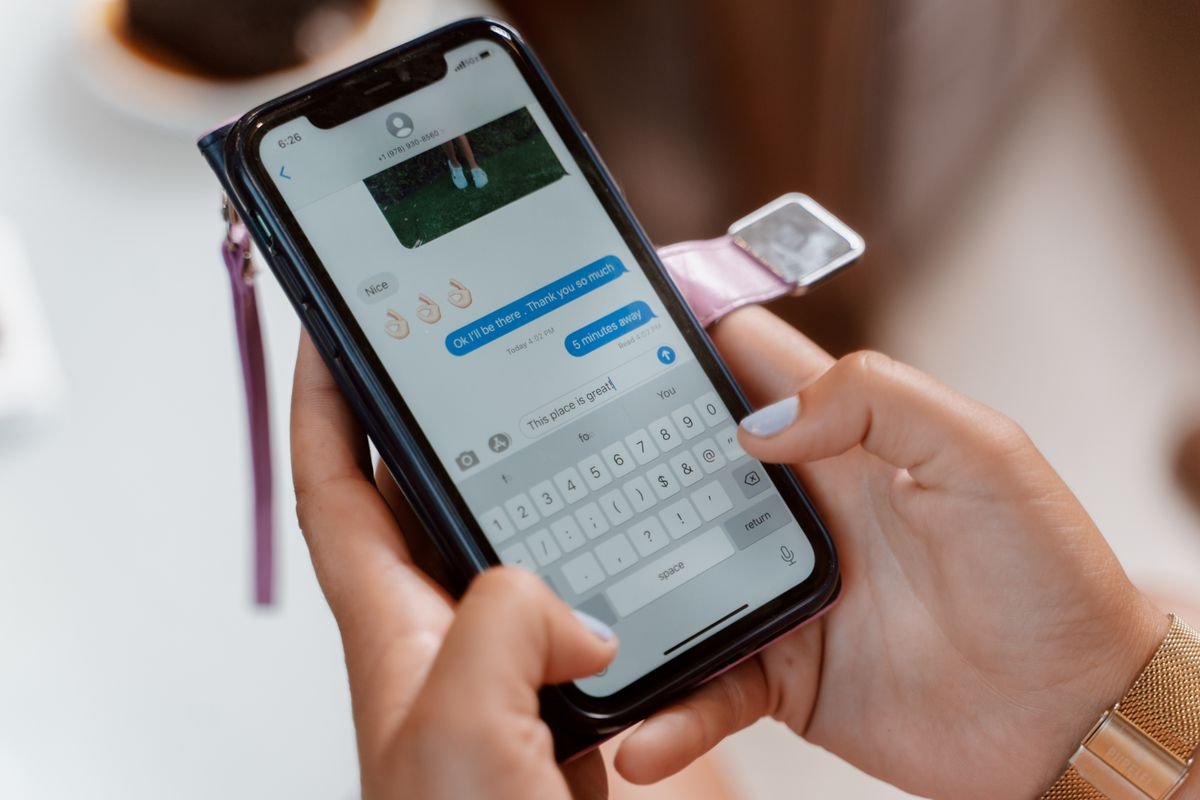
FS shifts meaning based on where it lands and what surrounds it. Same two letters, four registers, and the difference between them is entirely in the context. A warm “fs” reassures a friend. A flat “fs” closes a conversation with no energy. A sarcastic “fs” pushes back against something the sender doubts. The letters do not change. The words and emojis around them do all the work.
| Register | Placement | Example | Reads as |
|---|---|---|---|
| Warm | Middle of a sentence with tone words | “I got you fs, don’t stress” | Reassuring |
| Neutral | End of a sentence, plain | “That works fs” | Standard confirmation |
| Flat | Standalone one-word reply | “fs” | Passing agreement, no energy |
| Sarcastic | Paired with an emoji or eye-roll | “yeah fs” | Doubt or pushback |
The flat version deserves a closer look, because it causes the most misunderstandings. A lone “fs” as a full reply is what younger texters send when they agree but do not feel like typing more. It is low-effort agreement, nothing more. Older readers often read it as cold or uninterested, and that misreading has started more than one awkward conversation. It is not cold. It is the texting equivalent of a nod. If you want warmth, add a word or two: “fs, sounds good” reads very differently from a bare “fs,” and it costs almost nothing extra to type.
The sarcastic version is the one to watch for in comments. “fs bro” under a video of someone attempting a trick they clearly cannot do is not agreement. It is doubt dressed up as agreement, and the laughing emoji next to it gives it away. The same two letters, the same placement, but the emoji flips the meaning. That is why reading the words around FS matters more than reading the letters themselves.
What FS Means on Snapchat, Instagram, TikTok, and WhatsApp
The meaning stays “for sure” across platforms, but the flavor shifts with the crowd. On Snapchat, FS shows up in chat replies and snap captions. The app’s disappearing style rewards short slang, so “fs” fits as a full reply on its own. Read it as agreement, no follow-up needed. On Instagram, FS confirms plans or opinions in DMs, and in comments a “fs” under a friend’s photo reads like a quick nod of support. Under a Reel, it agrees with the take.
On TikTok, comments run short and reactive, and “fs” agrees with a video’s take. Watch the context, though: on prank, stunt, or extreme-sport videos, FS can slide toward “full send,” a different slang term meaning commit fully. Same letters, different message, and the video underneath decides which one applies. On WhatsApp, FS is more common in group chats than one-on-one, confirming attendance, weighing in on plans, or signing off on a group joke. Older WhatsApp users miss the meaning more than younger ones do, so pairing “fs” with a full sentence keeps things smooth.
On X and Threads, FS sits in replies and quote-tweets to agree with a take, where character limits make the shortcut natural. On Discord and in gaming chat, FS reads the same, though “full send” appears there too depending on the server’s vibe. The platform table below sums it up.
| Platform | Meaning | Example |
|---|---|---|
| Snapchat | For sure | “fs, see you at 6” |
| For sure | “fs, love that outfit” | |
| TikTok | For sure or full send | “fs bro, send it” |
| For sure | “fs, I’ll be there” | |
| X or Threads | For sure | “the show was elite fs” |
| Facebook Marketplace | For sale | “iPhone 13 FS, $400” |
| Discord | For sure or full send | “fs, joining the raid” |
The Marketplace row is the one that catches people out. “FS” in a listing almost never means “for sure.” It means “for sale,” and it is usually followed by a price. The same letters, the same app family, a completely different job. If you see “FS” next to a dollar amount, you are looking at an ad, not an agreement. Context, as always, does the heavy lifting.
Where Did FS Come From?
The phrase “for sure” has been spoken English for centuries. Merriam-Webster records its first known use in 1534, and the phrase has meant certainly or without doubt ever since. The two-letter shorthand is far younger. FS as a texting acronym spread through direct-message culture in the mid-2010s, when phones, character limits, and fast thumbs pushed people toward shorter and shorter replies.
The earliest Urban Dictionary entries for FS meaning “for sure” appear in 2016, and by 2018 the shorthand was standard in Snapchat and Instagram DM culture. TikTok pushed it further. Short comments favor short slang, and FS moved from private DMs into public replies, where it now sits alongside FR, Ofc, and Bet as part of the basic texting toolkit. By 2020, lowercase “fs” was the Gen Z default, and the capital version had become the exception rather than the rule.
The shorthand shares its DNA with FR (for real), Ofc (of course), and Def (definitely). All of them are built the same way, taking the first letters of a common phrase, and all of them do the same job: confirm agreement without typing the full word. FS won out over the others for one simple reason: “for sure” is the phrase people reach for most often when they agree, so its abbreviation gets used the most. Our guide to what FF means in slang covers another two-letter gaming and texting abbreviation from the same family, and our guide to what FN means in slang covers one that looks similar but means something very different.
What Else Does FS Mean?
FS carries other definitions outside casual chat, and the setting tells you which one applies. A DM full of jokes gives you “for sure.” A car ad on Craigslist gives you “for sale.” A server log gives you “file system.” The letters are a container, and the context fills it. The table below covers the meanings you are most likely to run into.
| Meaning | Where you will see it | Example |
|---|---|---|
| For sure | Casual DMs, chat, social media | “fs, I’ll be there” |
| For sale | Facebook Marketplace, Craigslist, car forums | “FS: 2019 Civic, $12k” |
| Full send | TikTok, gaming, extreme sports | “sending it fs” |
| File system | Tech and computing | “back up the FS on the server” |
| Free shipping | E-commerce listings | “Handmade mug, $25, FS” |
| Full screen | Video and streaming settings | “hit FS to expand” |
| For f**k’s sake | Frustration in casual posts (FFS is more standard) | “fs, my train’s late again” |
“Full send” deserves a closer look, because it is the only other meaning that shows up in casual social media, and it can be confused with “for sure” in the same comment section. “Full send” means commit fully, go all in, no holding back. It comes from extreme sports and drinking culture, and it spread into gaming and TikTok. When someone writes “fs bro, send it” under a stunt video, they are not agreeing with the video. They are egging the person on. The verb “send” next to it is the giveaway. If the message has “send” or “sending” in it, FS probably means “full send.” If it does not, FS almost certainly means “for sure.”
The frustration reading is rare and easy to spot. Some people use “fs” as a clipped version of “for f**k’s sake,” but “FFS” is the standard form for that meaning, and most readers will not think of frustration when they see two letters. If someone is clearly annoyed and they type “fs,” the tone of the rest of the message will make it obvious. In practice, treat “for sure” as the default, “for sale” as the marketplace reading, and “full send” as the sports and gaming reading, and you will be right almost every time.
FS vs FR, FFS, and Similar Slang
FS looks like several other short acronyms, and the differences between them are mostly about tone, not definition. The comparison table below shows how they split, so you can pick the right one for the message you want to send.
| Acronym | Full form | Meaning | How it differs from FS | Example |
|---|---|---|---|---|
| FS | For sure | Agreement, certainty | The baseline: calm, casual confirmation | “fs, see you there” |
| FR | For real | Agreement, sincerity | Same meaning, slightly stronger and more emphatic | “fr, that was unreal” |
| FFS | For f**k’s sake | Frustration, annoyance | Opposite emotional register: one extra F reverses the tone | “ffs, not again” |
| Ofc | Of course | Agreement | Same meaning, reads more polite and less Gen Z | “ofc, anytime” |
| Def | Definitely | Agreement, certainty | Interchangeable with FS in casual chat | “def, I’m in” |
| Bet | Bet | Agreement, or a non-committal “we’ll see” | Softer than FS, sometimes ironic | “bet, let’s do it” |
| ISTG | I swear to God | Strong emphasis | Closer to FR than FS, much stronger | “istg that was crazy” |
FS and FR swap almost freely in most chats. If you want a rule of thumb, use FS when you are confirming something, and FR when you are emphasizing that you mean it. “fs, I’ll be there” is a confirmation. “fr, that was amazing” is emphasis. The difference is small enough that most texters never think about it, and nobody will correct you for using one where the other would fit.
FFS is the one to watch. One extra F reverses the tone from calm agreement to sharp frustration, and mixing them up can turn a friendly reply into an argument. If you mean “for sure,” type two letters. If you type three, you have said something else entirely. It is a good example of how much weight two or three letters can carry in a text, and why reading carefully matters more than typing quickly. For another abbreviation where one letter changes everything, our guide to what FMU means in slang covers a term that also shifts meaning with a single letter.
Who Says FS, and Where?
FS is Gen Z default slang, but it has spread well beyond its first audience. Teenagers and people in their twenties use it constantly in DMs and comments, and it shows up in group chats of every age, because it is simply the fastest way to say yes. Parents texting their kids use it. Friends planning a night out use it. Gamers confirming a raid use it. The only people who rarely use it are the ones who do not text much at all, or who prefer full sentences in every message.
The term lives in private chats first and public comments second. Its natural home is the DM, where a quick confirmation keeps a conversation moving without slowing it down. It also thrives in group chats, where a short reply signals agreement without flooding the thread. In comments, it works as a quick nod under a friend’s post or a video’s take, a way of saying “I agree” without writing a paragraph.

The usage map is simple. In a text or a DM, FS means “for sure,” and you can assume that unless something in the message points elsewhere. In a marketplace listing, it means “for sale,” and the price next to it confirms it. In a gaming or sports chat, it can mean “full send,” especially next to the word “send.” In a tech document or a server log, it means “file system.” The setting is the map, and once you know the four rooms, you will rarely guess wrong. If you are ever unsure, look at the words next to the letters. They will tell you which room you are in.
One more pattern is worth knowing. FS travels with other short slang, and the company it keeps often confirms the meaning. “fs fr” means agreement twice over, a double confirmation. “fs ofc” does the same. “fs bet” is a casual, confident yes. These clusters are common in fast group chats, where people stack abbreviations the way they used to stack words. They all point the same way: agreement, certainty, yes.
How to Reply When Someone Sends FS
If someone drops “fs” in reply to you, they are agreeing. What you send back depends on what your message asked for. The replies below cover the five situations you will run into most often.
If you asked about plans, move them forward. “Cool, meet at 7?” keeps the conversation going and turns the agreement into a time and a place. If you shared an opinion, thank them or expand on it. “Right? I have been saying this for weeks” turns a one-word agreement into a conversation. If you asked for a favor, close the loop. “Legend, thanks” tells them the agreement landed and you appreciate it.
If FS came alone with no context, ask what they are agreeing with. “fs to which part” is light, funny, and it gets the clarification you need without sounding annoyed. If you doubt they mean it, call it out lightly. “you swear?” is a gentle challenge that gives them room to confirm or backtrack. A lone “fs” means yes with low effort, not disinterest, and reading it as cold misreads the medium. The reply that works best is usually the one that moves the conversation forward by one step, not the one that analyzes the two letters.
There is one reply to avoid: repeating “fs” back at them. “fs” followed by “fs” reads as a dead end, two people nodding at each other with nothing to say. If they agreed with you, the conversation needs a next step, a question, a plan, or a reaction. Give them one, and the chat keeps moving.
Myths About FS
Myth: FS is rude or dismissive
A bare “fs” can look cold, especially to someone who is not used to texting slang, but it is not rude. It is low-effort agreement, the texting equivalent of a nod. People send it when they agree and do not feel like typing more, not when they are annoyed with you. If the rest of the conversation is warm, a lone “fs” is warm too. The tone lives in the relationship, not in the letters.
Myth: FS means the same thing from everyone
FS means “for sure” from almost everyone in a chat, but the meaning does not change with the person sending it. It does not mean something different from a girl than from a guy, or something flirty from a crush and neutral from a friend. If the message was flirty, her FS agrees with the flirt. If it was about plans, her FS means she is in. Reading extra meaning into “fs” based on who sent it misses the point. She agrees with what you said. That is the whole message.
Myth: FS started on TikTok
TikTok made FS more visible, but the shorthand spread through Snapchat and Instagram DMs in the mid-2010s, years before TikTok became the center of slang. The earliest Urban Dictionary entries date to 2016, and by 2018 it was already standard in DM culture. TikTok pushed it into public comments, but the term was already old by the time it got there.
Myth: FS is only for young people
Gen Z uses FS the most, but the line is register, not age. Some fifty-year-olds text “fs” fluently. Some twenty-year-olds never touch it. The deciding factor is how someone texts, not how old they are. Read the person you are texting, not their birth year, and you will know whether “fs” fits.
When NOT to Use FS
FS reads relaxed by design, and that works with friends. It works against you in the wrong context. Skip it in professional emails and cover letters, where it reads as careless. Skip it in messages to a boss, a professor, or a client, where a full “definitely” or “certainly” does the same job without the slang. Skip it in formal writing of any kind, and skip it in spoken conversation, because saying “eff ess” out loud lands awkwardly and nobody talks like that.
Be careful with older family members who do not text slang. A grandparent who reads “fs” will not know what it means, and the message that was supposed to be a quick yes becomes a confusing two-letter puzzle. In those chats, type the full words. “For sure, I will be there” takes one second longer and it always lands.
Also avoid FS when the agreement actually matters and you want the other person to feel it. A bare “fs” after someone shares good news can read as flat, even if you are genuinely happy for them. “fs, that is amazing” costs three extra words and it carries the excitement the two letters cannot. The abbreviation is a tool for speed, not for feeling, and knowing when to put it down is as useful as knowing when to pick it up. For another two-letter term with its own set of rules, our guide to what DW means in slang covers a reassurance word that works very differently from FS.
FAQs About FS Slang
What does FS mean in text?
In text, FS means “for sure.” It is a casual way to say yes, definitely, or I agree. People use it as a full reply on its own or at the end of a sentence to add certainty, and it is most common in DMs, group chats, and social media comments.
Does FS mean “for sure” or “for sale”?
Both, depending on where you see it. In a text or a DM, FS means “for sure.” In a marketplace listing, a forum post, or a car ad, FS means “for sale.” The setting decides it, and a price next to the letters is the clearest sign you are looking at a listing.
What does FS mean on Snapchat?
On Snapchat, FS means “for sure.” People send it as a fast agreement to plans, snaps, or opinions, and lowercase “fs” is the standard form there. It usually needs no follow-up, since it is a complete answer on its own.
What does FS mean on TikTok?
On TikTok, FS usually means “for sure,” agreeing with a video’s take in the comments. On prank, stunt, or extreme-sport videos, it can slide toward “full send,” meaning commit fully. The video underneath decides which meaning applies.
Is FS the same as FR?
Nearly. Both mean agreement or certainty. FR, short for “for real,” leans more emphatic, closer to “seriously” or “I mean it.” FS sits closer to “yeah, definitely.” Most texters swap them without a thought, and either one works in casual chat.
What does FFS mean, and is it different from FS?
FFS means “for f**k’s sake” and expresses frustration or annoyance. FS means “for sure” and expresses agreement. The two carry opposite feelings, and one extra F changes everything, so double-check your letters before you send.
Can I use FS in a professional email?
Skip it. FS reads casual by design and lands as unprofessional in work emails, applications, or messages to clients. Save it for chats with friends, and use the full words, “for sure” or “definitely,” when the setting is formal.
Sources and Further Reading
- Englishan explains what FS means in text, covering the “for sure” definition, the lowercase habit, the tone registers, and the platform-by-platform differences.
- Merriam-Webster defines “for sure” as certainly or without doubt and records its first known use in 1534.
- Pexels photo by Ron Lach, used as the featured image.
- Pexels photo by RDNE Stock project, used in the body of this article.



Pingback: HN Meaning Slang: What Does HN Mean in Text?