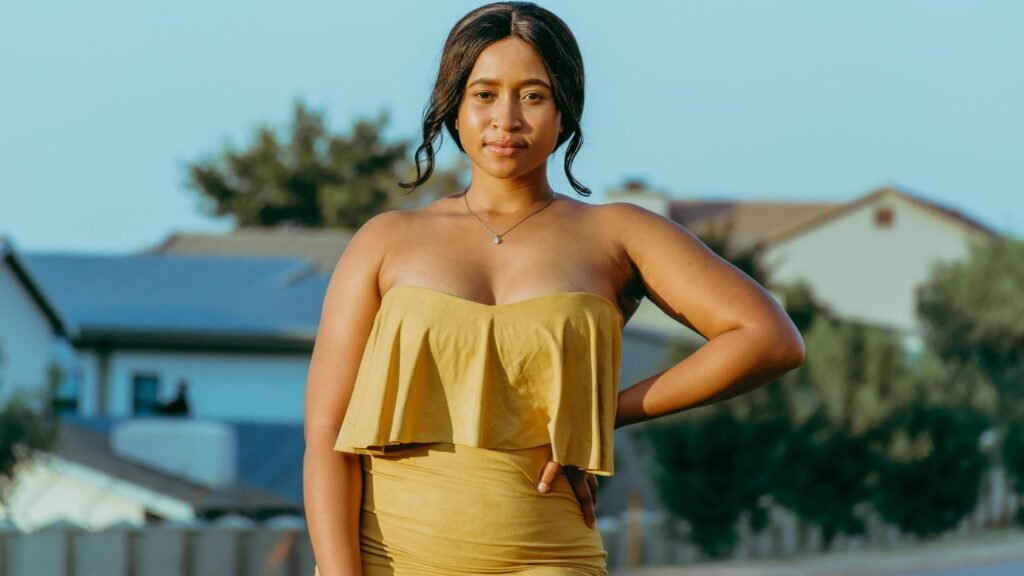

“BBW” stands for “Big Beautiful Woman”, a positive term for a plus-size woman that frames her as attractive and confident rather than as an insult. You will see it on dating apps, in texts, and as an online category tag, where it functions as both a body-positive label and a practical search term. Whether it lands as a compliment or an offense depends entirely on who says it, who hears it, and how it is used.
If you have seen “BBW” in a dating profile, a comment, or a message and were not sure what it meant or how to respond, this guide covers all of it. Below you will find where the term came from, how it is used on dating apps and in texts, how it compares to words like “plus-size,” “curvy,” and “thick,” the variants you will run into, and the respect rules that decide whether using it is a compliment or a mistake.
On this page:
- What Does “BBW” Mean?
- Where “BBW” Comes From
- BBW vs. Similar Terms
- Where You Will Actually See BBW
- Is BBW a Compliment or Offensive?
- Related Labels: SSBBW, BBBW, BHM
- Myths vs. Facts About BBW
- What to Say Instead (Respectful Language)
- How to Reply When BBW Comes Up
- BBW Slang FAQs
- Sources and Further Reading
What Does “BBW” Mean?
“BBW” means “Big Beautiful Woman,” a deliberately positive label for a woman who is larger than the thin beauty standard, used to say she is attractive, desirable, and confident on her own terms. Wikipedia’s entry on the term describes it as a positive, non-pejorative term that grew out of the fat-acceptance movement. In practice it works as a self-description (“proud BBW”), a compliment (“you are such a BBW”), and a category label on dating sites and online platforms.
The letters: Big Beautiful Woman
The expansion is straightforward, and that is the point. “Big” names the body size without apology, “beautiful” insists on attractiveness, and “woman” centers the person. Dictionary.com’s acronym entry confirms the expansion and gives dating-site examples of how it shows up in profiles. Unlike medical or clinical words for larger bodies, BBW was built to sound good, and it mostly succeeds.
What people actually mean when they say it
Meaning shifts with the speaker. A woman calling herself a BBW is claiming the label with pride, the same way someone might proudly say “curvy.” A dating profile that says “BBW looking for…” is setting expectations honestly so matches arrive already interested. A friend saying “she is a BBW” is usually describing, not insulting. But a stranger using it to reduce a woman to her body size can turn it into an insult on the spot. Same three letters, three different energies.
BBW is a euphemism, not a measurement
There is no official size, weight, or BMI cutoff for being a BBW. It is a social label, not a medical category. Some communities use it loosely for anyone plus-size; others reserve it for visibly larger women. The “what counts as BBW” question has no referee, which is why you will see women of very different sizes all using the term. If someone calls themselves a BBW, believe them; it is their label to claim.
Where “BBW” Comes From
The term “BBW” was coined in 1979 by Carole Shaw, who launched BBW Magazine, a fashion and lifestyle magazine aimed at plus-size women. The trademark later transferred to Dimensions Magazine, and from there the term spread through fat-acceptance circles, dating culture, and eventually the whole internet.
Carole Shaw’s magazine, 1979
Before BBW, the language around larger women was almost entirely negative or clinical. Shaw’s magazine was a deliberate pushback: a publication that treated plus-size women as a fashion audience worth serving, not a problem to solve. The name itself was the message. Putting “beautiful” right next to “big” in 1979 was a bold editorial choice, and it gave the fat-acceptance movement a word it had been missing.
The fat-acceptance movement picks it up
Throughout the 1980s and 1990s, BBW circulated in fat-acceptance newsletters, gatherings, and early online forums as an in-group positive. It was a reclaimed-word strategy: take the word “big,” which the culture used as an insult, and fuse it with “beautiful” so the combination could not be used against you. Academics have studied this reclamation seriously; Angela Jones’s 2018 research in Fat Studies examined how BBW performers used the label to claim empowerment and control over their own image.
Dating sites and the 1990s-2000s
The term’s second life began when early internet dating sites and personals added BBW as a category. Suddenly it was not just a movement word; it was a practical filter. People looking specifically for larger partners, and larger women looking for people who found them attractive, could find each other without awkwardness. That dating-site history is why BBW still feels most at home in profiles and DMs. The adult-entertainment industry adopted it as a category tag too, which is where the term’s complicated reputation partly comes from.
BBW vs. Similar Terms
Body-description words pile up fast, and they are not interchangeable. Here is how BBW compares:
| Term | Meaning | Tone | Who uses it | Example |
|---|---|---|---|---|
| BBW | Big Beautiful Woman; a positive label for a plus-size woman | Affirming when self-chosen or invited; risky from strangers | Dating profiles, texts, body-positive spaces | “Proud BBW, no apologies.” |
| Plus-size | The fashion industry’s standard term for sizes above the straight-size range | Neutral, professional | Retail, media, everyday speech | “The plus-size section is on the second floor.” |
| Curvy | A woman with an hourglass-ish figure; often implies a defined waist | Complimentary | Compliments, captions, fashion | “Curvy and confident.” |
| Thick | Fuller hips, thighs, and backside; a compliment in hip-hop-influenced culture | Admiring, playful | Music, compliments, captions | “Thick thighs save lives.” |
| Fat | Literally describes a larger body; reclaimed by some activists, insulting from most strangers | Depends entirely on speaker and relationship | Activism, medical contexts, insults | “Fat and happy” (self-chosen) vs. a slur (from a stranger) |
Quick guide: “plus-size” is the safe neutral term for describing. “Curvy” and “thick” are compliments with specific body-shape flavors. “BBW” is the community label with the richest history. And “fat” is a word you should basically never use about someone else unless they use it about themselves first. Our FUPA Meaning Slang and Snatched Meaning Slang guides cover other body-related slang with the same care.
Where You Will Actually See BBW
You will see “BBW” on dating apps, in texts and DMs, as an online category tag, and in body-positive social media spaces. Each setting gives the letters a slightly different weight.
On dating apps and in texts
“BBW, 28, looking for someone who appreciates curves. No games.”
Them: “just so you know I’m a BBW, hope that’s cool”
You: “more than cool, honestly”
On dating apps, BBW is a filter and a flag at once. Women use it to attract people who are genuinely interested and to screen out people who are not. Men and women looking for larger partners search it or write “BBW lovers” and similar phrases. In texts, it usually appears as self-description or as a straightforward descriptor between people who already know each other. For more on dating-app slang, see our DTF Meaning Slang guide.
As an online tag and category
BBW is widely used as a category tag on content platforms, including adult sites, where Urban Dictionary notes it functions as an indexing tag. This is the neutral context, not the detail: the tag exists, millions of people use it to find content featuring larger women, and that commercial use is a big part of why the term is famous. It is also why some women feel the term has been cheapened; a word born in a feminist magazine now doubles as a search tag.
On social media and in body-positive spaces
“BBW fashion haul! Finally brands that get it.”
“To every BBW who was told to shrink herself: take up space.”
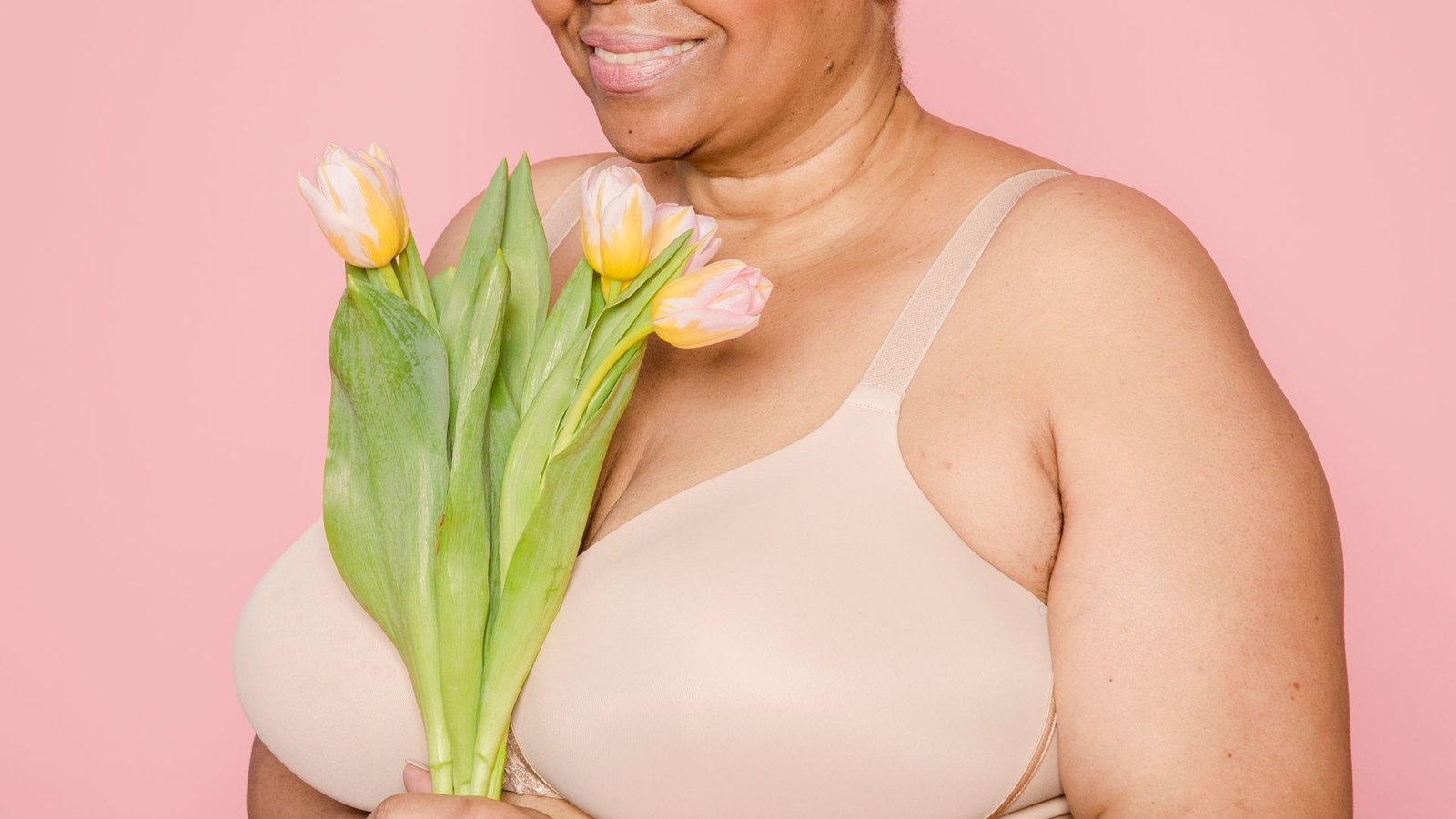
On TikTok and Instagram, BBW is a hashtag community: fashion hauls, confidence content, “take up space” posts, and creators pushing back on thin-only beauty standards. Here the term is at its most positive, used by and for the community itself. The confidence-culture side of this slang connects to the same energy as “ate” in compliment slang.
Is BBW a Compliment or Offensive?
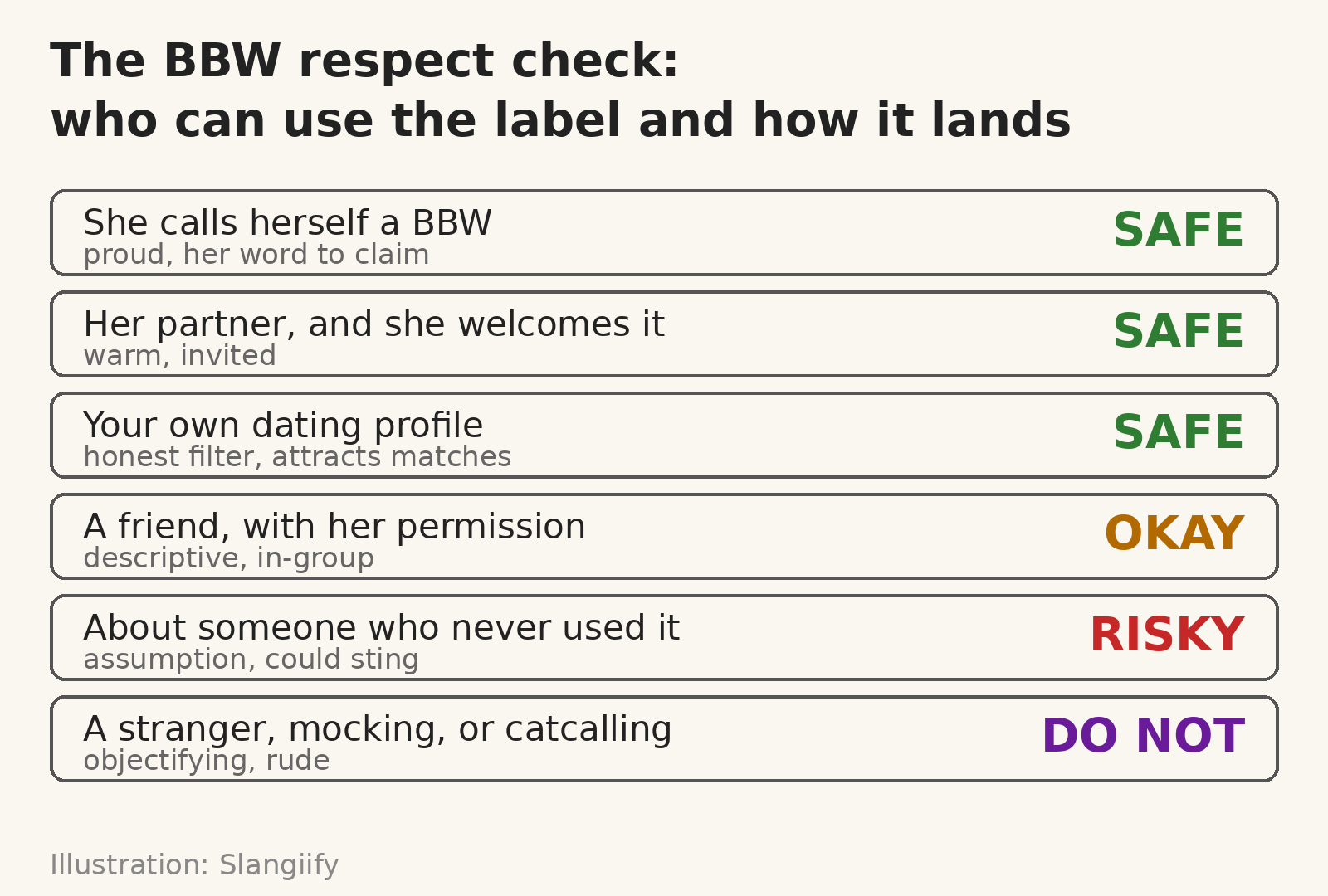
BBW is a compliment when it is self-chosen or invited, and potentially offensive when it is imposed by a stranger. The word itself was designed to be positive, but no word survives contact with a stranger using it to reduce you to your body. The speaker and the relationship decide the meaning, not the dictionary.
Why many women embrace it
For a lot of women, BBW is armor and pride at once. It says: I am big and I am beautiful, and those two things were never opposites. The Bustle op-ed on the term captured this side well, describing women who reclaimed BBW as a self-description after years of being shamed for their size. In dating, it works as an honesty filter; in fashion, as a community; in activism, as a reclaimed word with real history.
Why it makes others uncomfortable
Some women dislike BBW because the adult-industry association makes it feel fetishizing rather than respectful. Others feel it still centers their body as the most notable thing about them. And some simply prefer “plus-size,” “curvy,” or no label at all. All of these are valid. A term can be empowering for the community and still not be every individual’s word.
The one rule that settles it
Follow the owner’s lead. If she calls herself a BBW, you can use it warmly. If she has never used the word, do not introduce it; “plus-size” or no label at all is safer. If she dislikes it, drop it immediately with no debate. This is not complicated: labels belong to the labeled.
Related Labels: SSBBW, BBBW, BHM
The BBW family has a few members worth knowing, all documented in Wikipedia’s entry on the term:
SSBBW
Stands for “Super-Size Big Beautiful Woman.” Dimensions Magazine used it for women over 350 pounds. It is a community-specific term, mostly used within fat-acceptance and feeder-adjacent circles. Do not use it casually; it is not general slang.
BBBW
Stands for “Big Beautiful Black Woman,” a version of the label that centers Black plus-size women specifically. Like BBW, it is a self-chosen community label, not a word for outsiders to assign.
BHM
Stands for “Big Handsome Man,” the male counterpart. Same idea, same rules: positive when self-chosen, and it carries the same dating-category history. You will see it far less often than BBW, but it exists in the same spaces.
Near-synonyms that float around the same idea: full-figured, voluptuous, zaftig, and Rubenesque, all listed as related terms in the Wikipedia entry. “Zaftig” (from Yiddish, meaning juicy or plump) and “Rubenesque” (after the painter Rubens, famous for full-figured subjects) are the vintage members of the family.
Myths vs. Facts About BBW
Myth 1: There is an official size that makes someone a BBW
There is not. No weight, dress size, or measurement defines it. It is a social and community label, claimed by the person it describes. Two women of very different sizes can both be BBWs, and neither is wrong.
Myth 2: BBW is just a porn category
The adult-tag usage is real and widespread, but the term is older than that usage by decades. It was born in a feminist fashion magazine in 1979 and lived in fat-acceptance activism long before it became a search tag. Reducing it to the tag erases its history.
Myth 3: Calling someone a BBW is always a compliment
Intent does not override reception. From a partner or a friend who knows you welcome it, it is a compliment. From a stranger commenting on your body, it can feel objectifying. From someone using it as a “nice” way to say “fat,” it is an insult with better branding. Context and relationship decide.
Myth 4: BBW and “plus-size” mean the same thing
They overlap but they are not identical. “Plus-size” is a neutral industry term about clothing sizes. “BBW” is a cultural label with a movement history, a dating life, and a community. You can be plus-size and never use the word BBW, and that is completely fine.
Myth 5: Only women use the term
Women use it most, as self-description and community language. But partners, admirers, and dating platforms use it too, and the male counterpart BHM exists for the same reason. It is a community word that the wider culture borrowed.
What to Say Instead (Respectful Language)
When you are unsure whether BBW is welcome, you have easy options:
- Describing neutrally: “plus-size” is the safe default. It is the industry standard, nobody’s slur, and nobody’s reclaimed word.
- Complimenting: compliment the person, not the category. “You look amazing” beats “you are such a BBW” in almost every situation.
- On a dating profile of your own: if BBW describes you and you like the word, use it; it works as a filter. If you are describing what you are looking for, “I love curvy/plus-size women” is warmer than a bare label.
- Talking about the community or trend: BBW is the correct term, since it is the community’s own word with a documented history.
- Never: do not use BBW, or any body label, to mock, to catcall, or to “compliment” a stranger who did not ask. The word’s positive design does not protect it from rude delivery.
How to Reply When BBW Comes Up
- A date says: “Just so you know, I’m a BBW”: → Be warm and straightforward: “Thanks for telling me, and honestly that is great.” Do not over-explain, do not perform enthusiasm, and do not ask for details about her body.
- A friend calls herself a BBW proudly: → Match the pride: “Own it.” or “As you should.” Do not correct her label or offer a “better” word.
- Someone asks what BBW means: → “It stands for Big Beautiful Woman, a positive term for a plus-size woman. It started with a 1979 magazine and now it is big in dating and body-positive spaces.”
- Someone uses it about a woman who is not present: → If it sounds gossipy or mocking, a light “hey, not cool” works. If it is neutral description, let it be.
- A stranger’s profile says BBW and you are messaging them: → Treat them like a person, not a category. Lead with something about their profile, not their body.
BBW Slang FAQs
What does BBW stand for?
BBW stands for “Big Beautiful Woman.” It is a positive term for a plus-size woman, coined in 1979 by Carole Shaw when she launched BBW Magazine. The term frames larger women as attractive and confident rather than as a punchline.
What is considered BBW?
There is no official cutoff. BBW is a social label, not a measurement, so there is no required size, weight, or dress size. Generally it describes women who are clearly plus-size, but the person it describes is the only authority on whether the label fits.
Is BBW a compliment or is it offensive?
Both, depending on context. As self-description or between people who welcome it, it is a compliment with a proud history. Imposed on someone by a stranger, or used to reduce a woman to her body, it can feel offensive. Follow the labeled person’s lead: if she uses it, you can; if she does not, do not.
What does BBW mean on dating apps?
On dating apps, BBW is a category and a self-description. Women use it in profiles to attract people who are genuinely interested in larger women and to filter out people who are not. It is one of the most established body-type labels in online dating, with a history going back to early internet personals.
What is the difference between BBW, plus-size, curvy, and thick?
“Plus-size” is the neutral industry term for larger clothing sizes. “Curvy” usually implies an hourglass shape with a defined waist. “Thick” means fuller hips, thighs, and backside and reads as a compliment in hip-hop-influenced culture. “BBW” is the community label with the deepest history, tied to fat acceptance and dating culture. They overlap, but each carries different baggage.
What does SSBBW mean?
SSBBW stands for “Super-Size Big Beautiful Woman.” Dimensions Magazine, which inherited the BBW trademark, used it for women over 350 pounds. It is a niche community term, not general slang, and you should not use it casually.
Is it OK to call someone a BBW?
Only if the label is welcome. If she calls herself a BBW, using it warmly is fine. If you do not know her preference, “plus-size” or no label at all is safer. Never use it to mock, catcall, or comment on a stranger’s body, and drop it immediately if someone says they dislike it.
What is the male version of BBW?
The male counterpart is BHM, “Big Handsome Man.” It works the same way: a positive community label for a larger man, used in dating contexts and fat-acceptance spaces. You will see it far less often than BBW, but it follows the same respect rules.
Sources and Further Reading
- Wikipedia: Big Beautiful Woman: the 1979 Carole Shaw origin, the magazine and trademark history, variants (BBBW, SSBBW, BHM), and related terms.
- Dictionary.com: BBW: the acronym expansion with dating-site usage examples.
- Urban Dictionary: BBW: crowdsourced definitions showing the range from affirming to crude, including the adult-tag usage.
- Bustle: What Does BBW Mean? One Take on This Divisive Term: the empowerment-vs-fetishization debate and the fat-admirer community angle.
- FUPA Meaning Slang: another body-shape slang term explained with the same care.
- DTF Meaning Slang: the dating-app slang context where BBW often appears.



Pingback: Big Back Meaning: What Does 'Big Back' Slang Mean?